

Give me the Tetris, make me jump and dance.
Finally, someone found a new application for the classic Tetris gameplay mechanics. Welcome to Drop Duchy, where everything is passed ‘pon the left hand side; or at least falls from the top of the screen like it should.
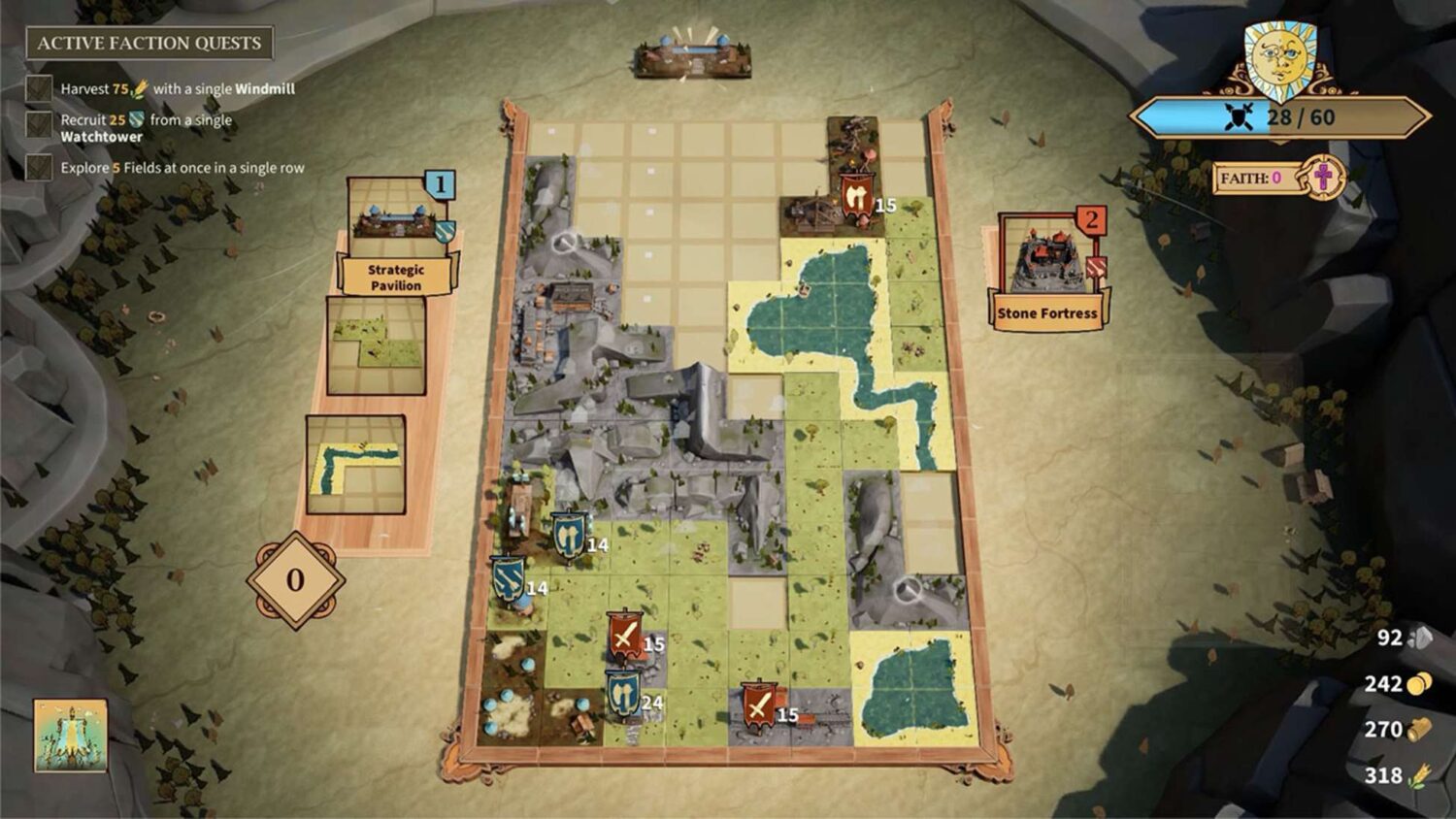
Drop Duchy is billed as a rogue lite, and it is. The Tetris nod is to the way you build your camp to prepare for battle. The game will shuffle several tetrominoes (yep, they actually have a name—had to look that one up). Just like Tetris, you can see the next piece the game will throw at you. Unlike Tetris, you can swap them out, one at a time, to a holding platform. There are tetrominoes for trees, prairie, farmland, and buildings. The further you go in the game, the more variety of tetrominoes you get.
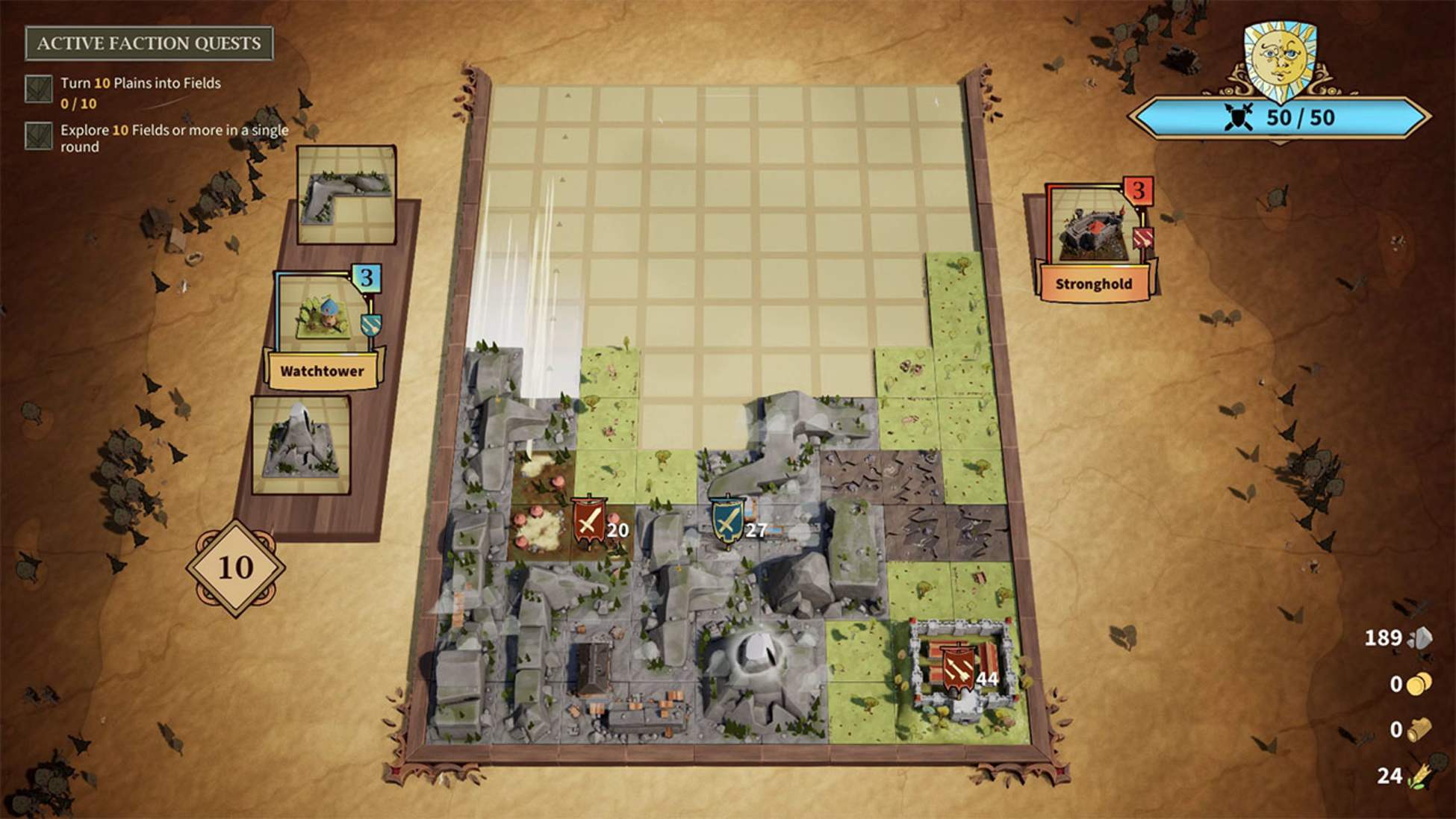
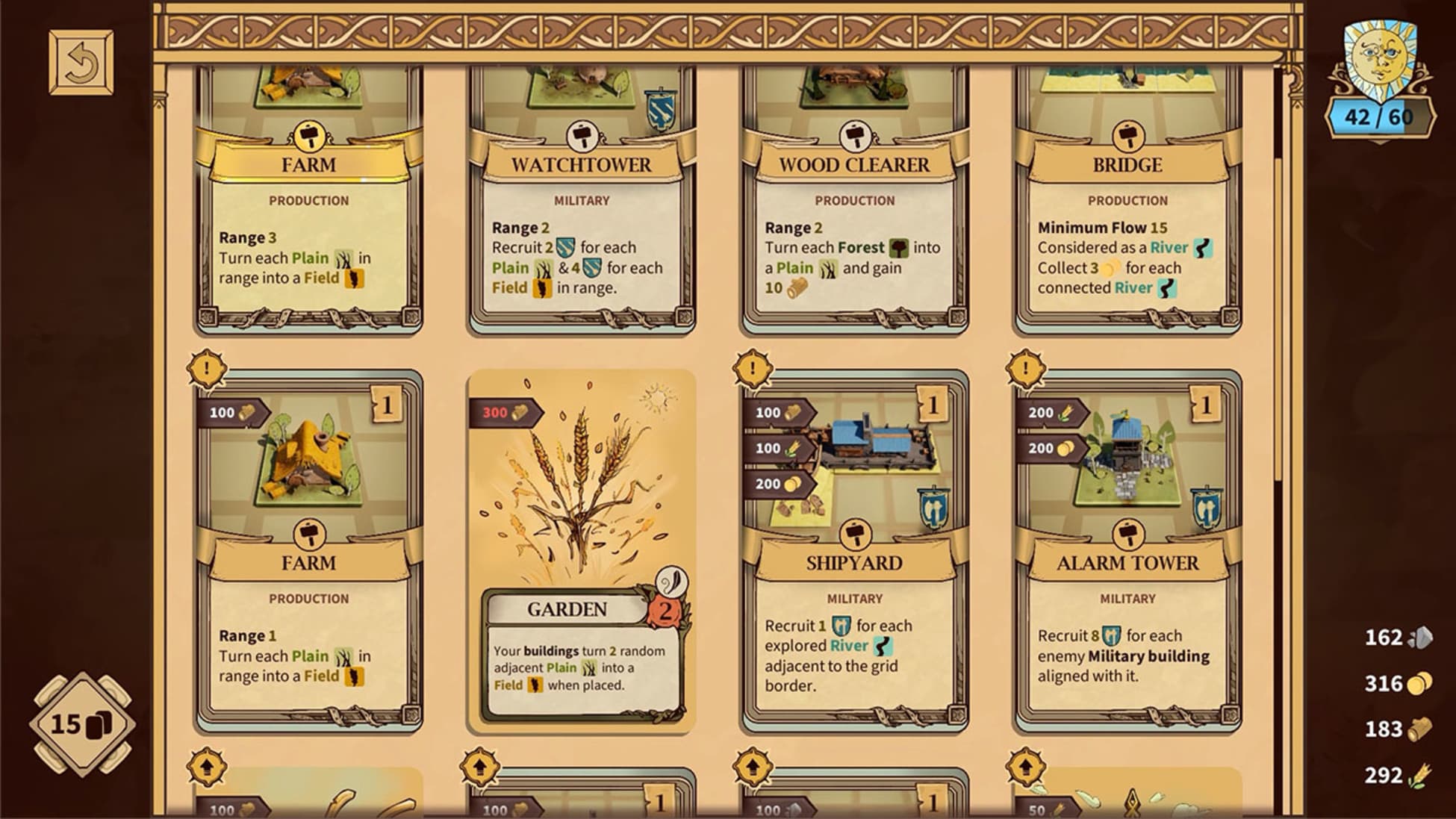
When you are done building your duchy, there may be a brief battle to see if you are victorious and get to advance to the next stage. Be careful placing your pieces, as the enemy units are mixed in there, too. After your victory, the game gets more rouge-lite. Here is where you get to select cards which represent new tiles like a farm building, watch tower, and so on.
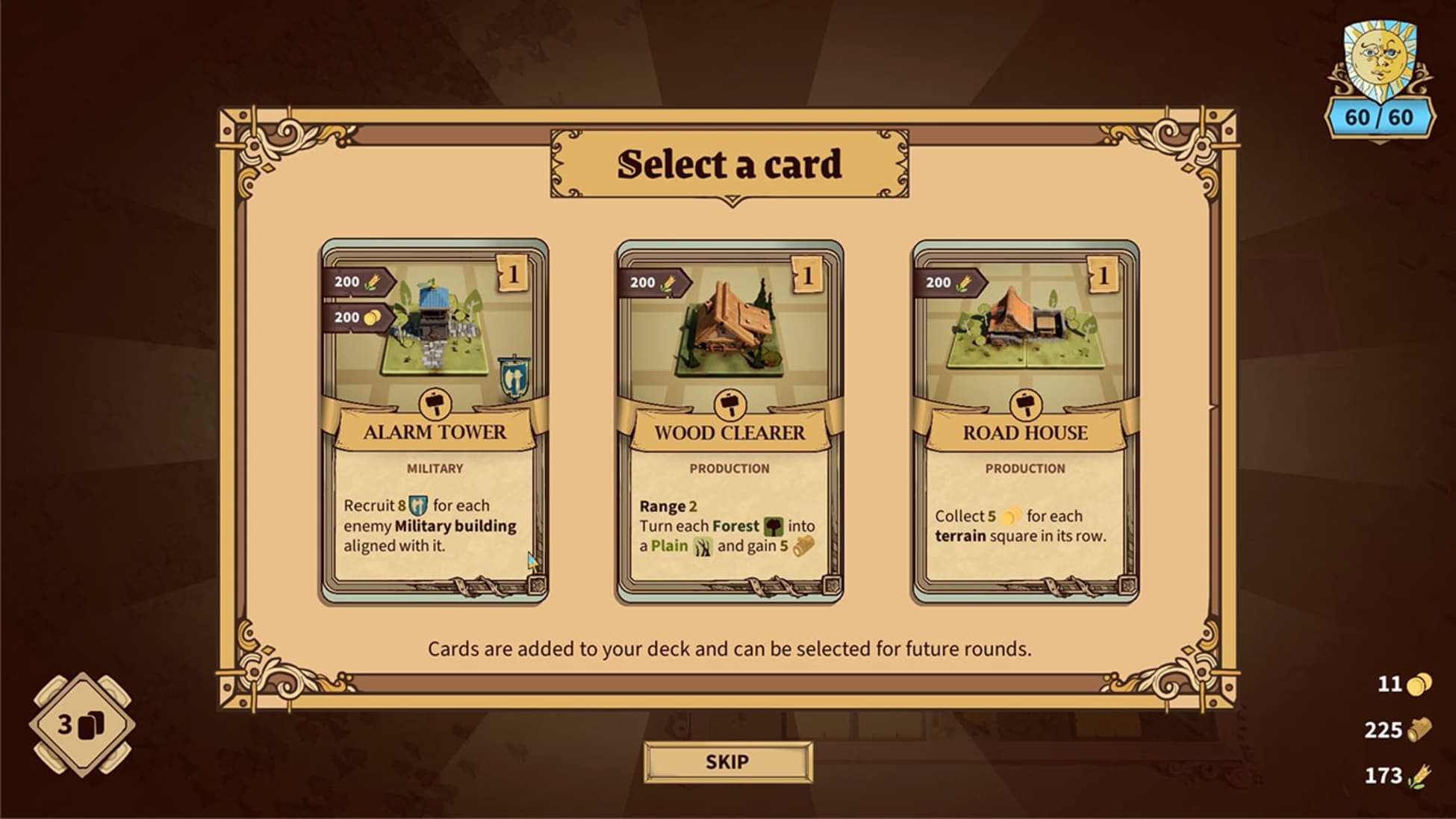
As you build your deck, you have more resources to drop. Choose carefully, because there are some buildings which enhance your resource collection, determine how many soldiers you can recruit, and the like. The cards which provide troops will work together for your overall army strength. The bad news is that the enemy units are doing the same thing, and the game has a way of giving your enemy better options than you get (go figure). This leads to a significant amount of level grinding. The game has multiple kingdoms to play, an extensive level-tree, and plenty of cards to collect and all that, so the amount of replays required in the early levels is a bit disappointing.
So, the first part of the gameplay is doing the Tetris thing. This is mechanically easy, but there is some strategy to consider. You need to maximize collection of resources and placement of reinforcements for combat. Then comes the combat. Here, the game could do better with a tutorial to help the player understand the strategy of how to place troop recruiting buildings and how to arrange the order of combat for effectiveness against your enemy. There are some bits of information in the text, but some guided examples would be better.
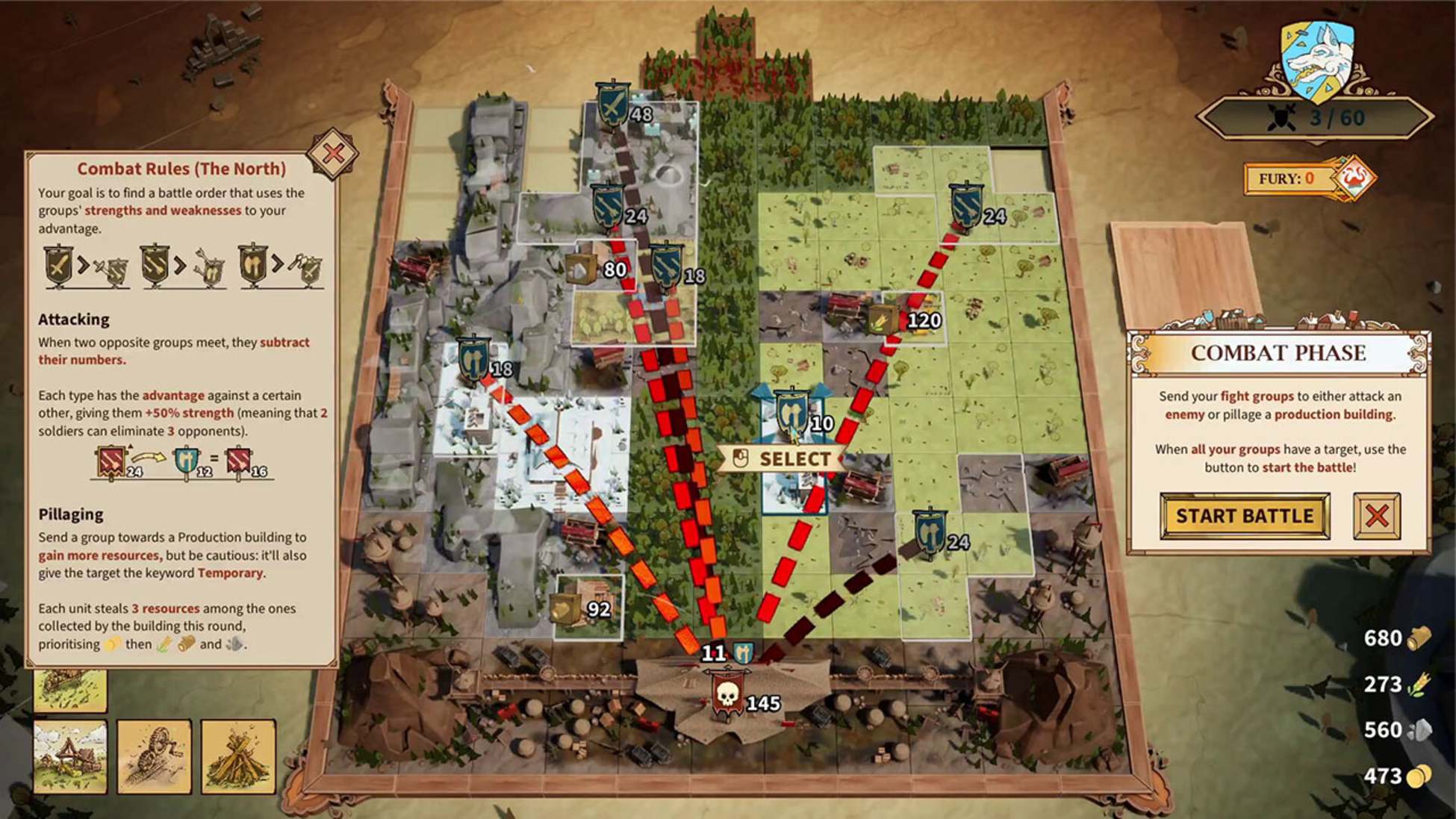
As for the looks and sounds, the developers did a very good job. The background is pleasing to the eye, and the cards and tiles have enough detail to see what everything is supposed to be. The only downside to the graphics is that this game is best played on the TV screen. Trying to play in handheld mode is challenging due to the tiny size of the text on the cards and indicators on the play field. Normally, I’m good at seeing small things up close, but this game tests that limit.
The soundscape does what it should—it gives your ears something to do, provides event cues, and doesn’t distract players from what they need to do.
Overall, Drop Ducky was a mixed bag for me. On the upside, the game looks good, is mostly easy to play, and gives the player time to make decisions. There are plenty of levels and kingdoms to provide a long gaming experience with some variety with the tetrominoes and card deck-building.
On the downside, the level grinding and slow progress can lead to player apathy, and the randomness of the tile drops coupled with a kingdom build based on card collecting doesn’t seem to have been married in a quite seamless way. For me, this game dropped into the “good, but not great” landing area.
Review: Drop Duchy – Complete Edition (Nintendo Switch)
Fair
Drop Duchy has an intriguing Tetris-based game concept, but there is some room for improvement. If you like the deck builders and can be happy with the early level grinding, this is an interesting game. For me, this game dropped into the “good, but not great” landing area.
The Author