

Unified Phone Theory
A lot of games are focused on action-packed adventures filled with non-stop simulation, and that’s why we love them so much. However, a narrative-driven game occasionally breaks through with something so creatively beautiful and gut-wrenching that won’t make you miss the fast pace of modern gaming. Schrödinger’s Call is such a game; a visual novel with point-and-click and choose-your-own-adventure elements. It’s slow, but it’s deep, and it’s good.
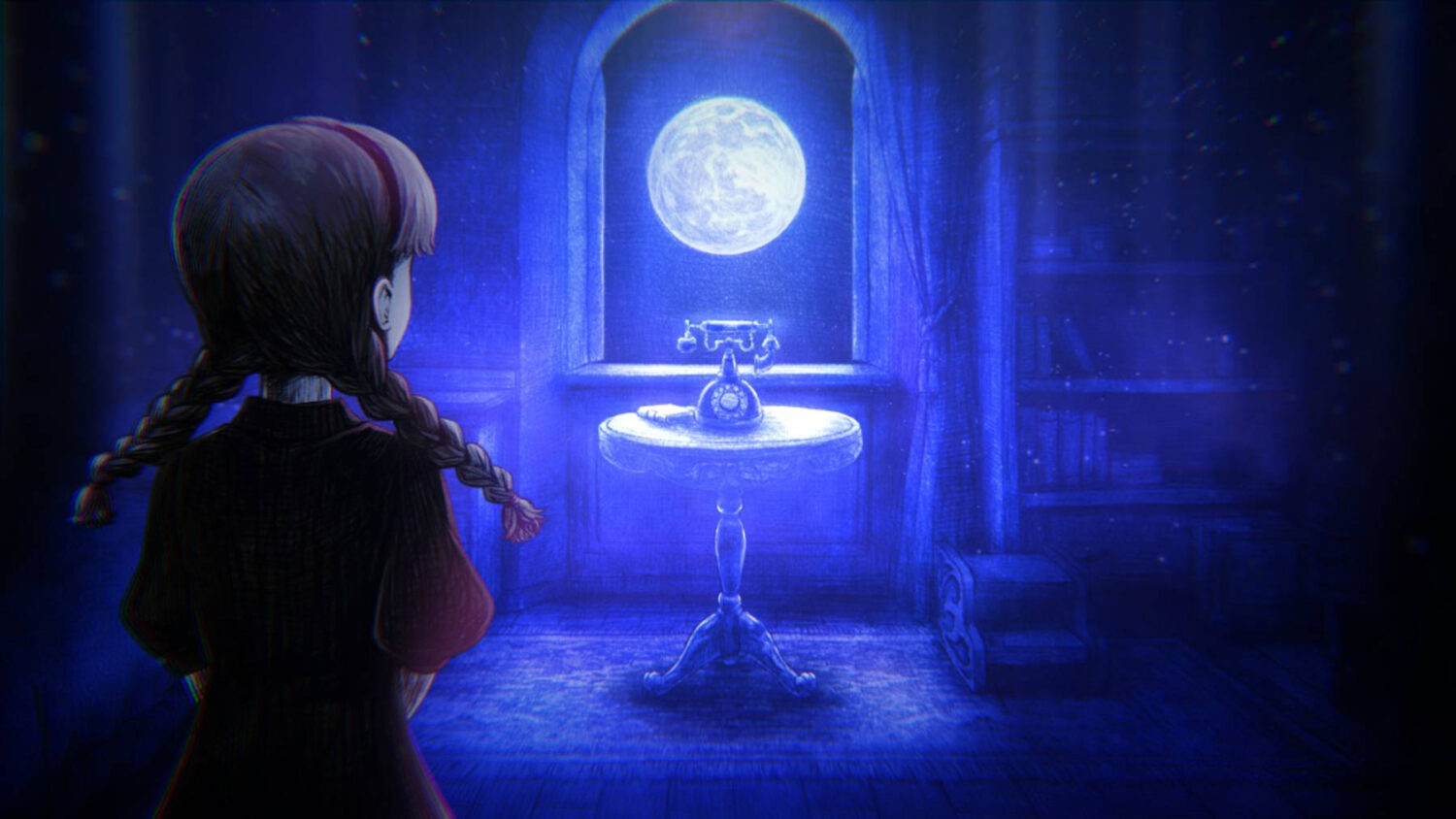
You play as a girl named Mary who wakes up alone and without any memories. You’re soon greeted by a cat, Hamlet, who doesn’t offer you much reassurance, but does provide you with a simple role as the World’s Last Confidant. What that means, Hamlet doesn’t really say. However, as you take on your first victim, your goal becomes clear—provide some peace and empathy to callers who are stuck between life and death before they pass on. As you learn more about the people confiding in you, you also learn more about yourself and how you ended up in your situation. It seems there was an apocalypse that no one survived. You, yourself are not even alive. Within this space between life and death, you find yourself in a dark room with only a phone in the middle.
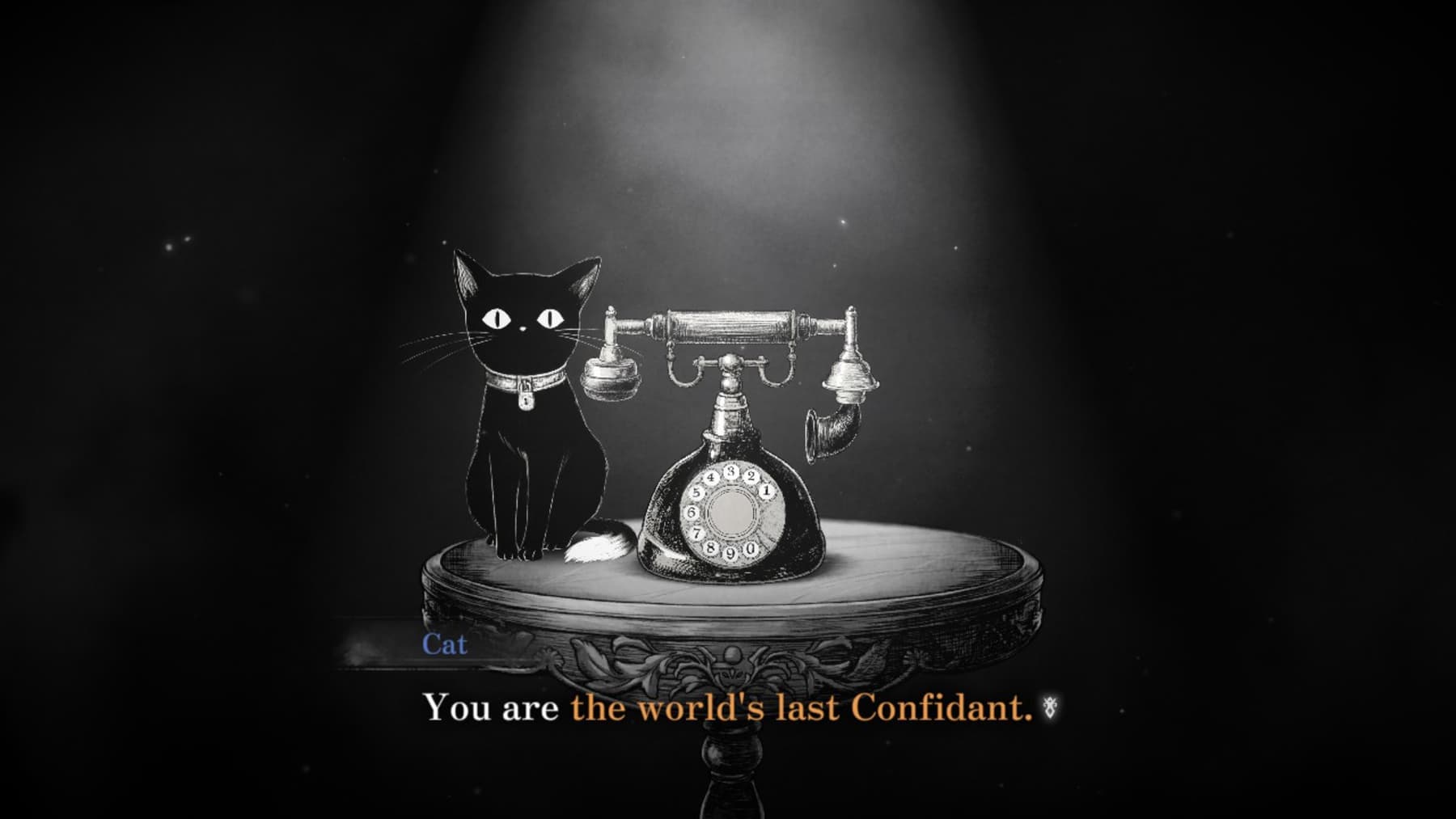
The controls for this game are really easy and explained to you early and throughout the game via reminders. You click A to interact with the phone and its dial, A to continue dialogue, and A to interact with statements in your notebook, which you open by pressing Y. You use your analog sticks to move between dials on your phone, and the left and right buttons to flip through pages of your notebook.
Each chapter starts with you picking up the phone and having the option to speak first or wait for the other party to. You’ll hear many voices calling to you, each hoping to find comfort. Because Schrödinger’s Call is a graphic novel, all you can really do in the game is listen to these spirits’ last requests and regrets, and provide comfort and empathy. As you talk with different spirits, you’ll jot down important information and memories in your notebook, then use those scribbles as ways to ground the spirits when they start to get anxious or sad.
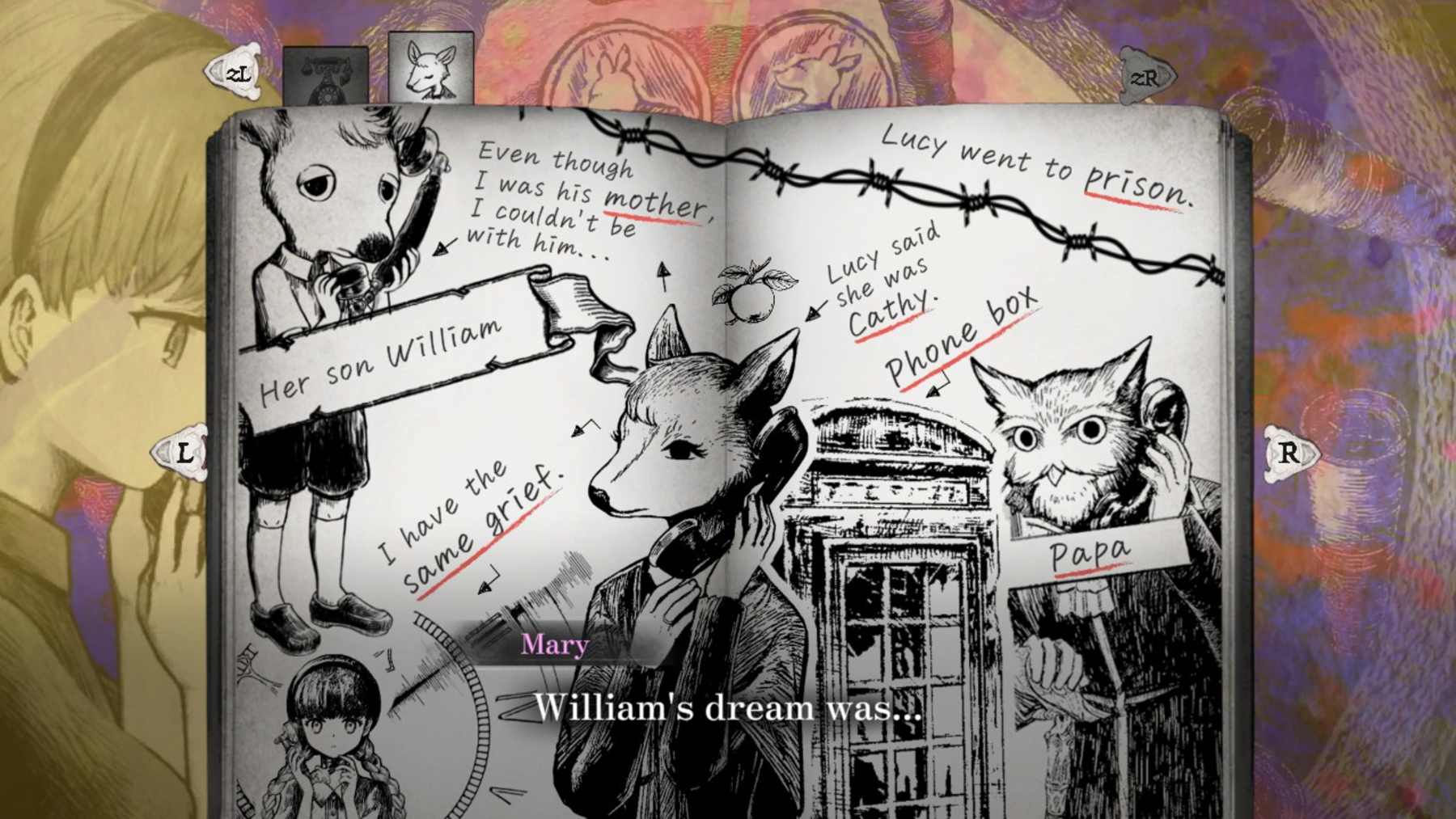
You’re also given the ability to speak with manifestations of people from their pasts to learn more about their stories.
The ultimate goal of meeting each spirit is to send them off with their past mistakes forgiven and their last requests completed as best as you can, even if that means lying to them. The game focuses heavily on saying the right things to these spirits, and uses empathy and careful listening as a guide. Of course, your notebook is incredibly helpful; it provides you with limited answers to the spirits’ statements or questions, and I’m pretty sure there aren’t any necessarily “wrong” answers, just better and worse answers. The game leads you exactly to where it needs in order to keep progressing.
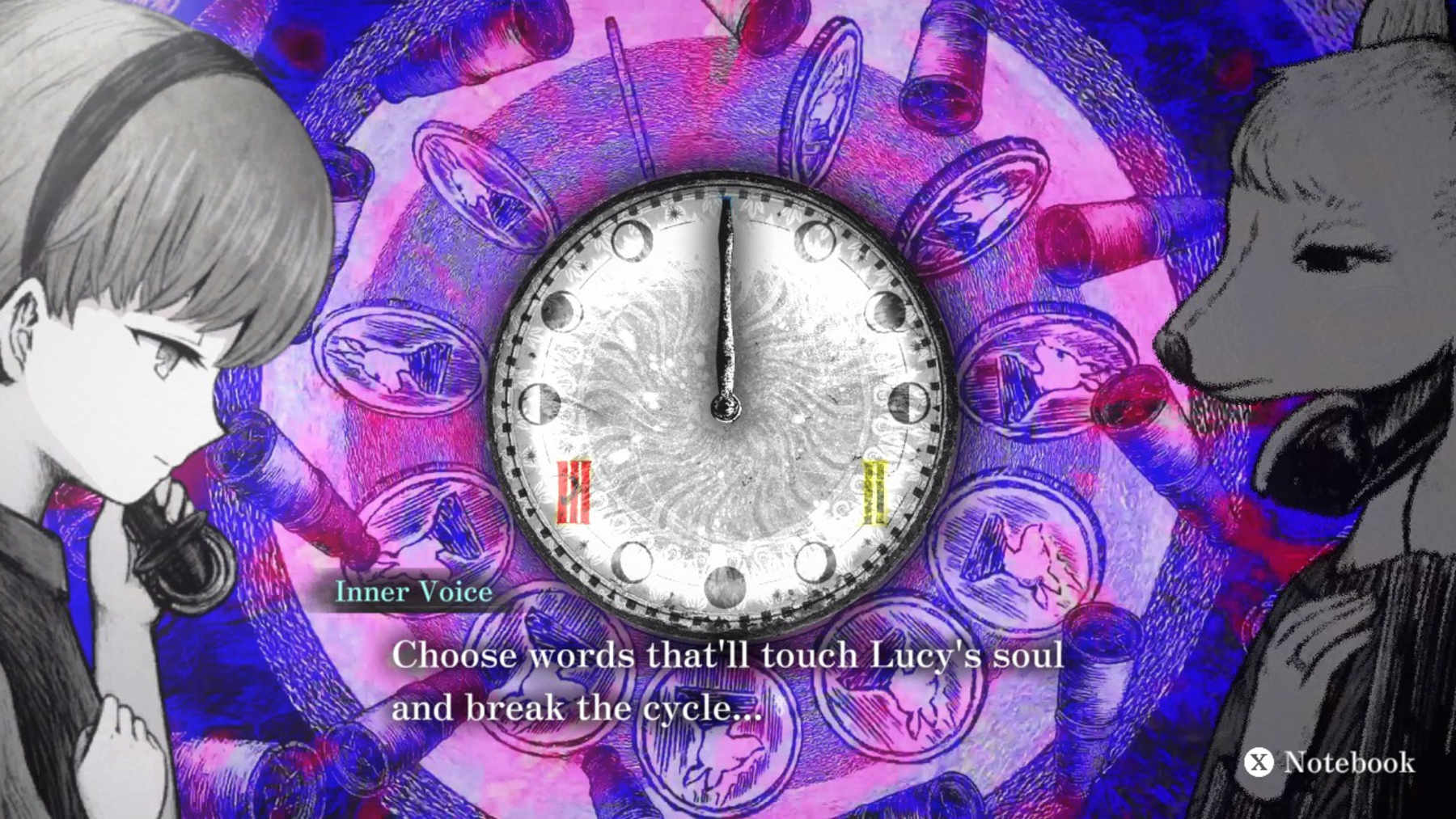
The graphics and atmosphere of the game are great, capturing its vibe so well. It’s gloomy, mysterious, and a little eerie, but also beautifully crafted and full of hard work and creativity. The writing is so well done that I found myself feeling emotional for the characters, which did help me when it came to choosing the most comforting answers. Not only was the dialogue well written, but so was the story as a whole. It was captivating and dark, but also really uplifting in a way.
Schrödinger’s Call is paced slowly and filled with mystery, but I think that makes completing each chapter—and each conversation—more rewarding. The more you play, the more it starts to make sense. The characters are all adorable humanoid animals with sweet souls, and the game gives cute and charming vibes throughout. It doesn’t offer much actual gameplay, but it more than makes up for it in thoughtfulness.
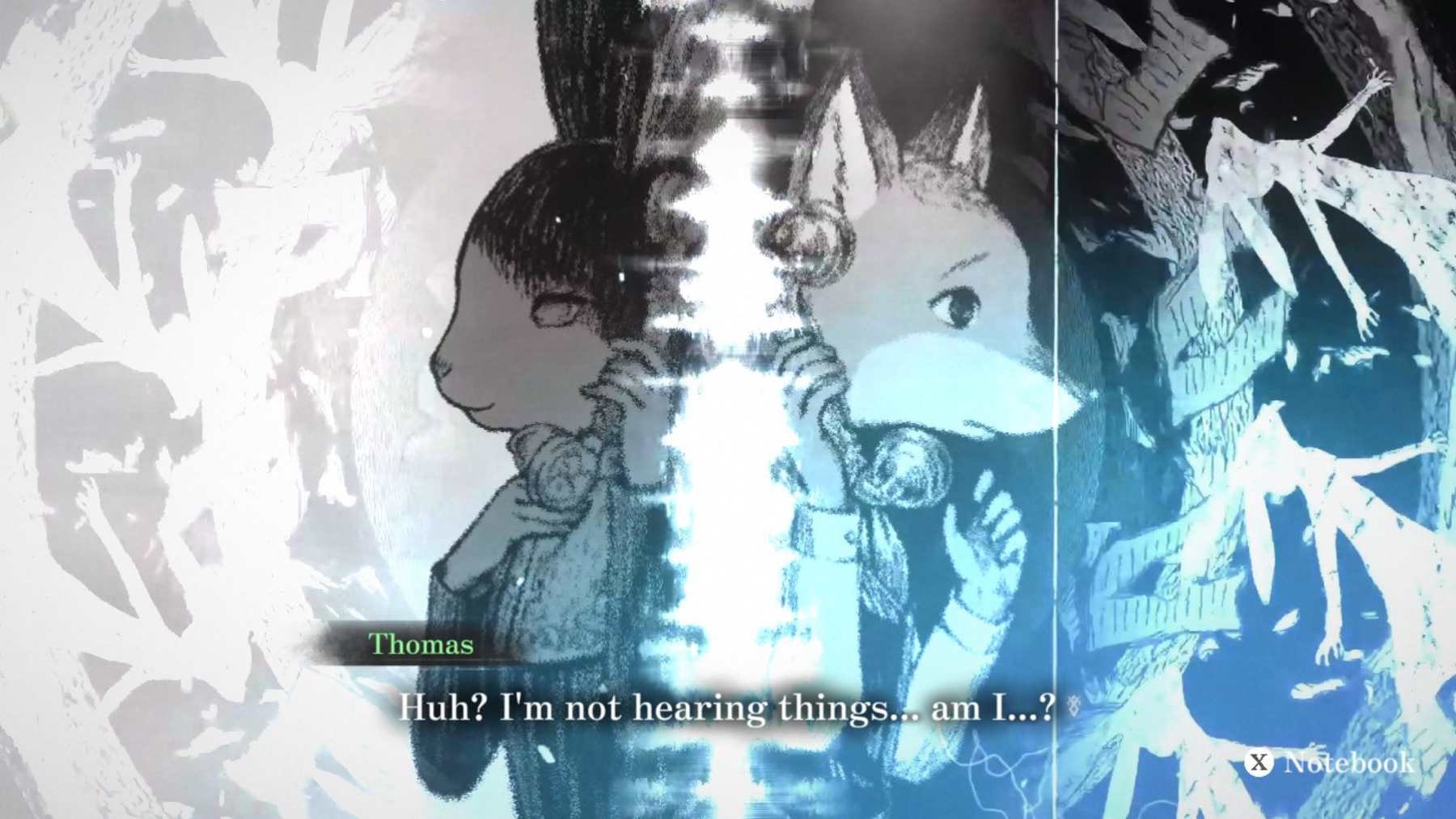
Visual Novels can be hard games to get into sometimes, especially for gamers like me who prefer faster paced, more stimulating runs. But Schrödinger’s Call really caught me by surprise and had me feeling all the emotions.
Review: Schrödinger’s Call (Nintendo Switch)
Great
With its emphasis on empathy and understanding, the visual novel Schrödinger’s Call provides a comforting view on helping others cope with death, as well as how we all just choose to live. For those with big hearts and patience, I think this game is definitely for you.
The Author