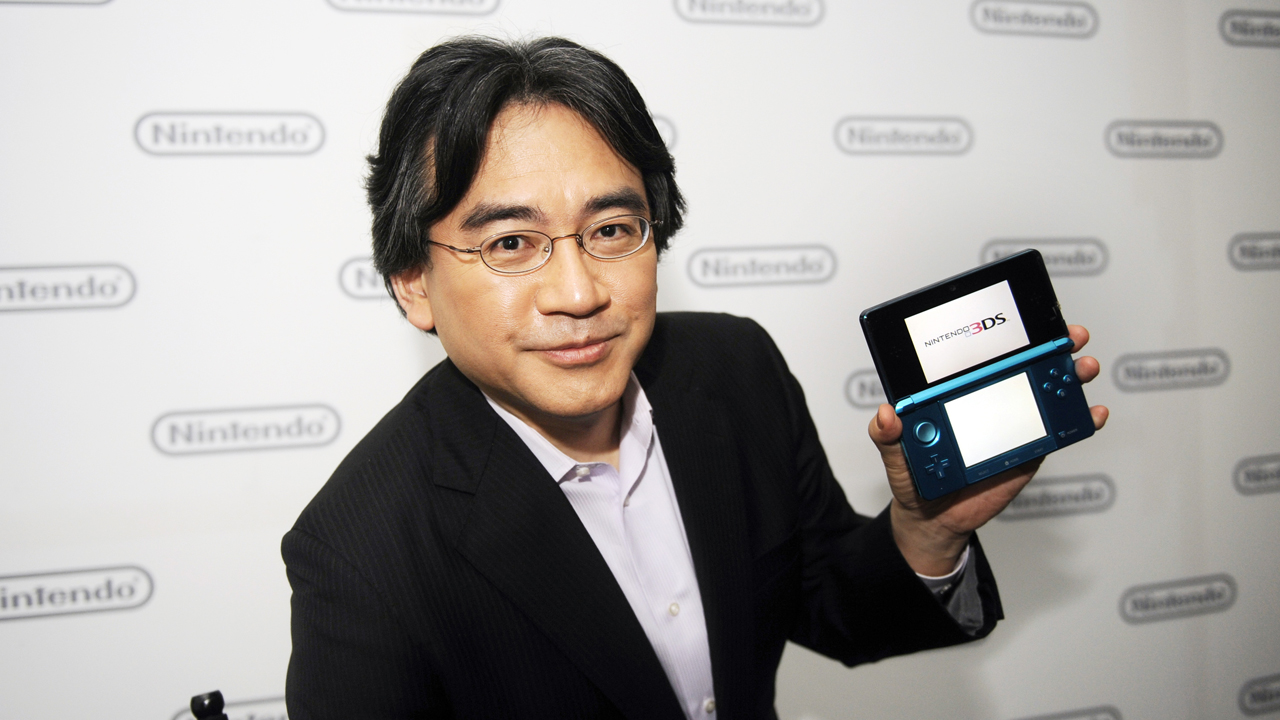
Iwata on taking US control
Coming from the Q&A during the Financial Results Briefing:
You mentioned in the presentation that you were planning to place Nintendo’s overseas operations under your direct control. In the overseas markets, it seems that packaged software, for home consoles in particular, has been facing a severe situation. What do you think about it? In addition, would you please let us know more specifically how you will change your overseas operations by putting them under your direct control?
I decided to refer to our plan to place our overseas operations under my direct control here because, in evaluating the notice regarding changes of directors, I thought that you might wonder who will replace the retiring general manager of the International Division and who will supervise our business in the U.S. after Mr. Kimishima, current chairperson and CEO of Nintendo of America Inc., comes back to Japan to replace Mr. Mori as a managing director.
I already communicate very frequently with those working for our overseas subsidiaries, but I will try to intensify the communications with them to make their marketing strategies and tactics more aligned with the management decisions at the headquarters. I will also inform them about the products under development on a more timely basis so that they can take advantage of the sales potential of such products in their business territories.
As there has been a downturn in the video game industry for the past two years, some, specifically in the U.S., say that video games themselves have entered a difficult phase. This is probably due to two elements.
One is that consumers have a higher psychological hurdle to paying a certain sum of money for software. Many people attribute this to smart devices, but I don’t think it is the only reason. We try to offer various kinds of software for a video game platform, and the games are improving steadily each year, but these improvements are becoming less noticeable. In short, what one platform can offer will eventually become saturated. Every consumer will inevitably become tired of and get less excitement from the same type of entertainment. It has become more difficult for a game which developers in this industry, including us, created with the same or greater amount of energy, to move or amaze consumers. Lowering software prices and a rise in the number of devices you can play games on without a dedicated gaming machine are gradually setting the bar higher for us to encourage our consumers to pay a certain sum of money for software.
The other element is the lowered sales level of the entire video game market as the current non-Nintendo home consoles are nearing the end of their product cycles. These factors combined have caused the current situation. I believe the future of the video game industry depends on the number of games developers release that consumers consider to be fresh and worth paying for.
We originally planned to release a few first-party titles for Wii U during the first half of this year, but no big titles are scheduled for release before “Pikmin 3” in July because we decided to take time to add the final touches to ensure that consumers fully feel that they are valuable titles. The brand of a franchise would be completely degraded without customer satisfaction. This is why we delayed the release schedule of such games.
We have recently reaffirmed the fact that a delicately crafted game will never fail to appeal to consumers. A good example is “Animal Crossing: New Leaf” we released at the end of last year. “Tomodachi Collection” has also made a good start in its first week, probably because many people have felt that it contains new types of fun and excitement even if the basic structure of the game is similar to its prequel for Nintendo DS. In this way, what is happening cannot be accounted for by the idea that casual users playing games with smartphones will not buy games targeted at them for dedicated gaming systems. The reason why “Fire Emblem Awakening” and “Luigi’s Mansion: Dark Moon” have been well received by consumers in the U.S. and European markets is that they still respect the value of games that have been carefully developed to take advantage of dedicated gaming machines. It is true that the overseas video game market has been in a downturn for the last two years, but we believe that there is a way to buck the trend.