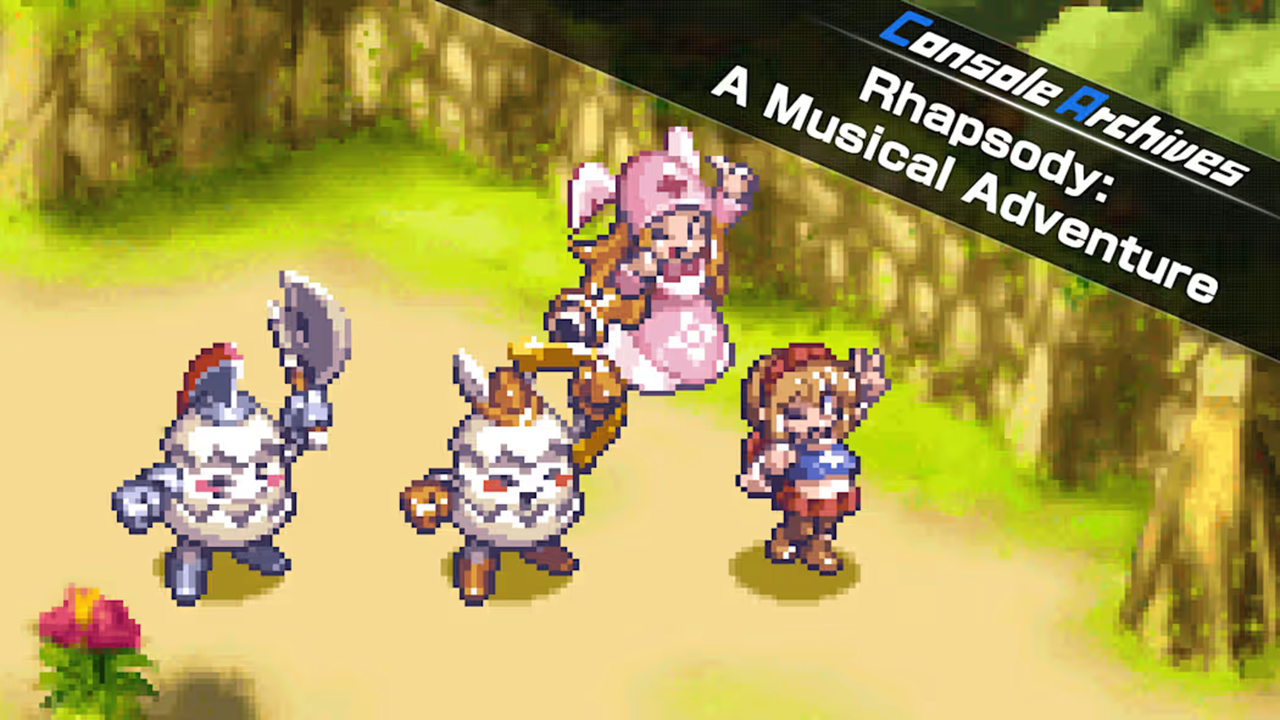

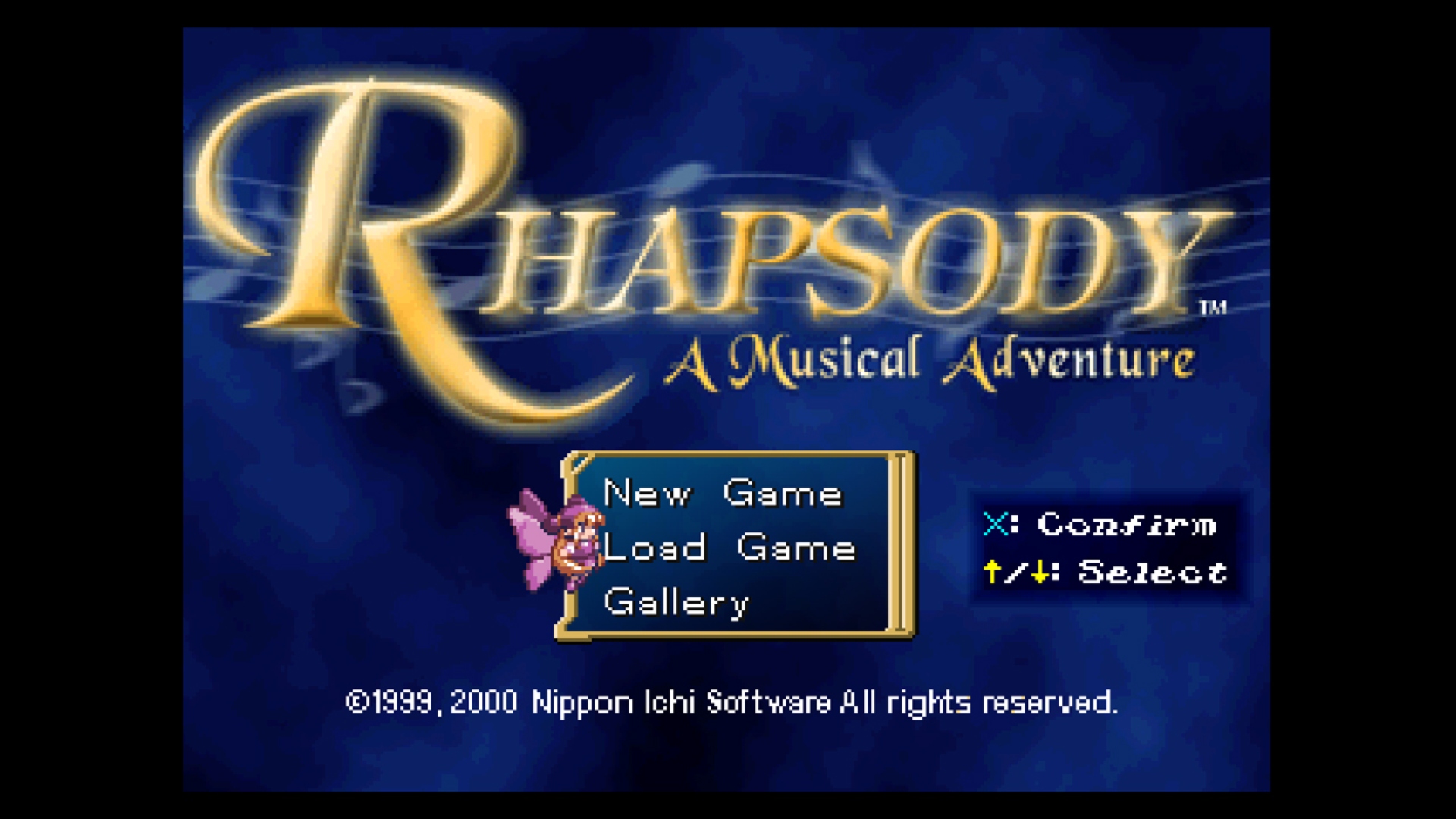
Rhapsody: A Musical Adventure is a late-90s PlayStation RPG. How does it fare nearly 30 years later on the Nintendo Switch 2? The results are a bit mixed, but the areas where it’s aged for the better might overpower its more dated aspects.
♪ I remember this song. I’ve known it for so long. ♪
Nintendo fans may have already played this game, first on the Nintendo DS, or more recently on the Nintendo Switch. That version was bundled alongside another game in a $40 package. What this Hamster re-release lacks in “sharper graphics and image optimization,” it makes up for by offering what many Rhapsody fans likely desired: a chance to play the original game as it was, without having to spend on unwanted extras.
To some extent, that’s how my colleague Rachel felt when she reviewed the former. Although playing a press review code, Rhapsody was the more enjoyable of the two games, in her estimation. I invite you to peruse her opinions. I’ll highlight one in particular that I mostly agree with while having a slightly different take.
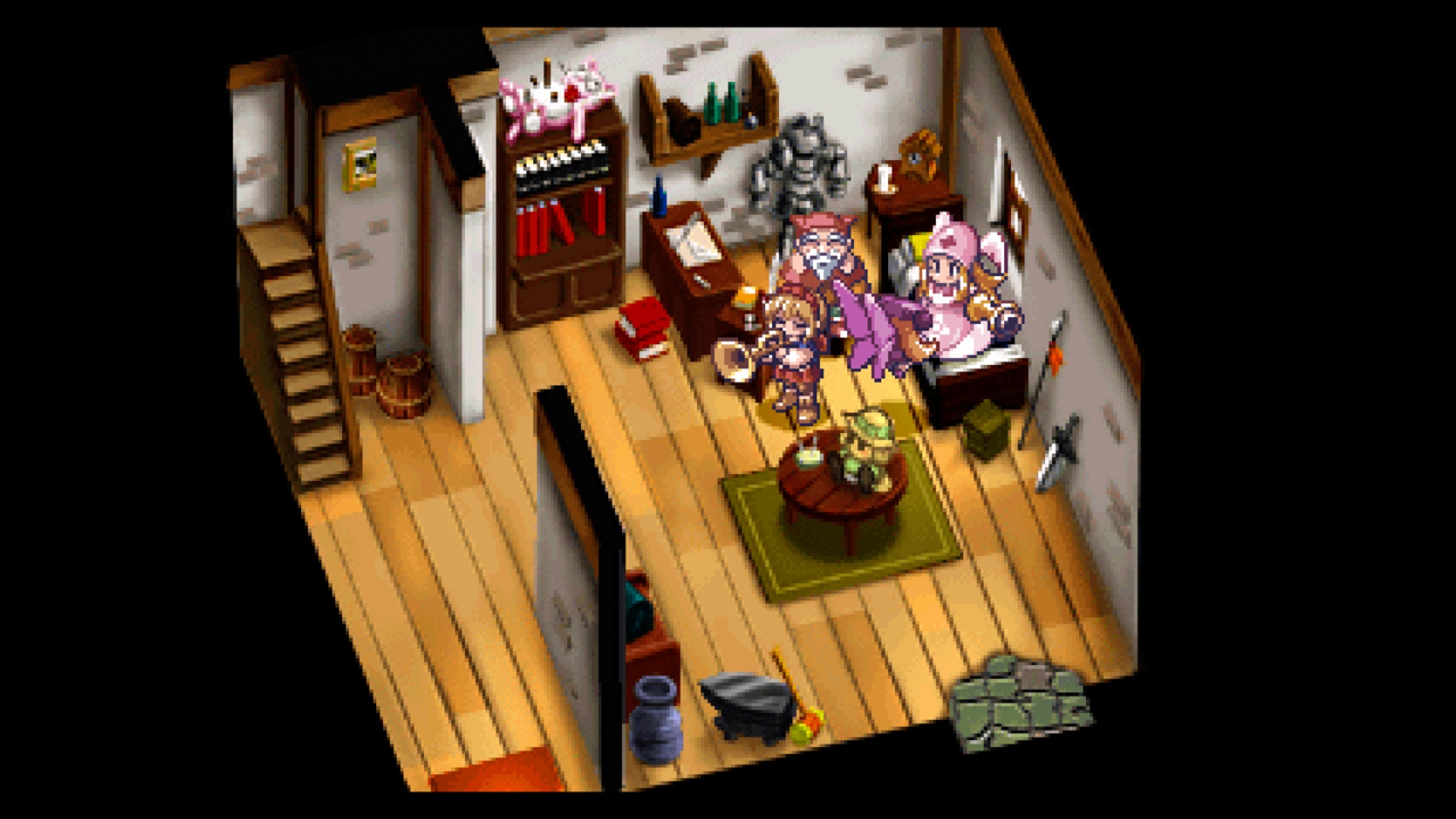
First things first, our lead will “befriend puppets” who she can talk to and battle alongside. Once I shook off the early-80s PBS vibe I was getting from this defining feature, I began to realize how Rhapsody was a game ahead of its time. It feels like it is pulling some good-natured ribbing at cliched RPGs. You know, the type; heck, we review a lot of them (mostly Kirk). Even the higher-scoring ones often hit similar plot points—an amnesiac and his magical troupe stopping the end of the world from demonic dangers could apply to any number. Rhapsody, in amusing fashion, marches to the beat of its own drum.
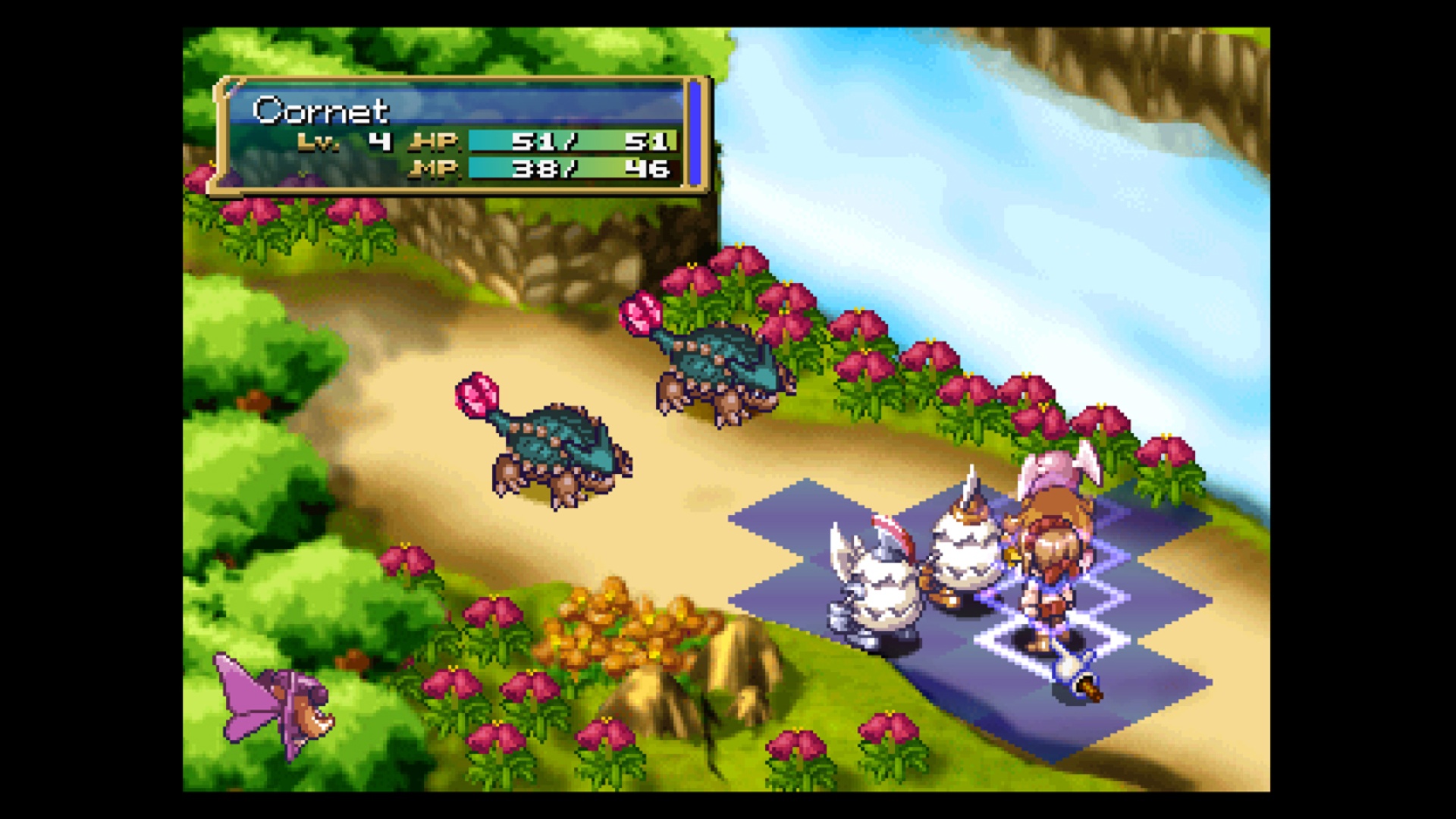
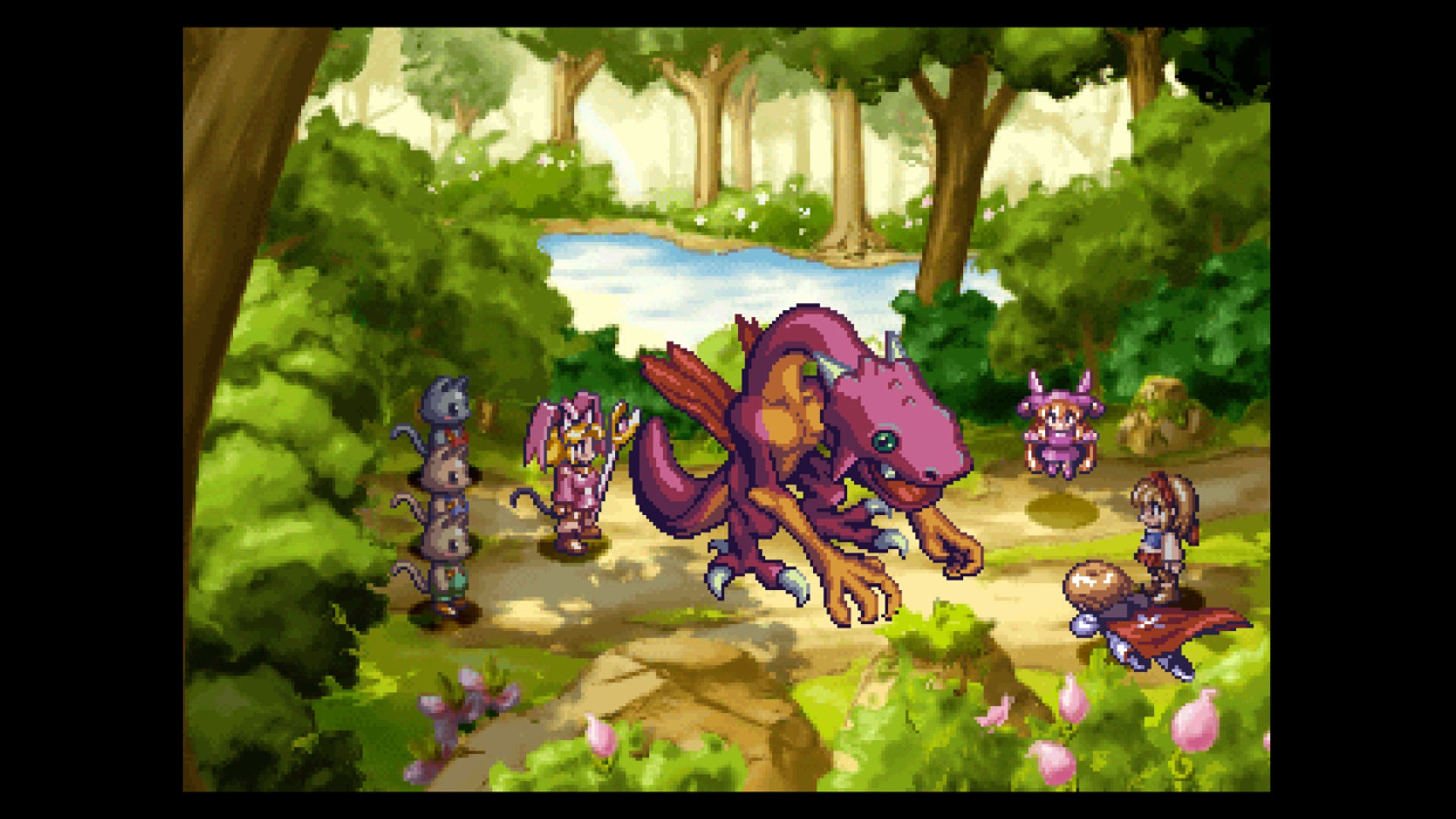
Rhapsody is a game about a girl wanting to land a prince. Having a female protagonist already makes the game fairly unique. Yes, it suffers from its own comical cliches (our bachelorette aims to woo a prince in the early hours), but at least these story elements feel more unique to this genre, not to mention breezier.
And the game is breezier, at least on “Normal” difficulty. Battles are few and far between in the early goings, and present little in the way of challenge. While this may be a bummer for RPG vets, Rhapsody was pulling off the “cozier” angle decades before it became a thing. That’s one reason I have a differing take on Rachel’s getting-stuck problems.
Please don’t mistake me; I can see how getting stuck is a real possibility. Rachel rightly said, “The game offers no tutorials or help. I often knew what to do next but didn’t know how to do it in the game. I had no idea who to talk to or where to go next.” Combat won’t drive you the way it does other RPGS. Conversations will. Talk to everyone! I can see how some might not click with this (even with the humorous exchanges that ensure), but I didn’t mind it. It lives up to its titular “Adventure” branding.
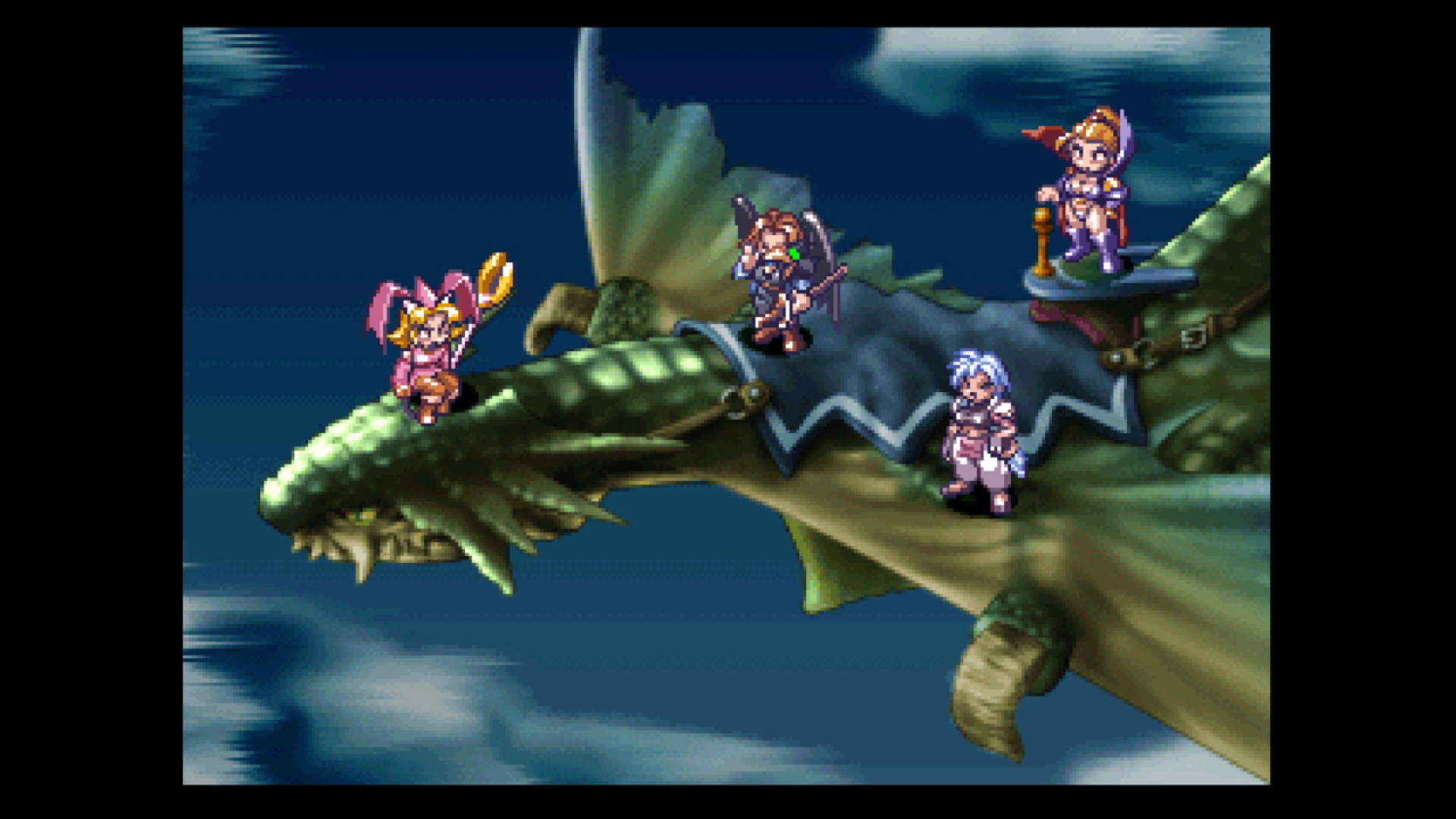
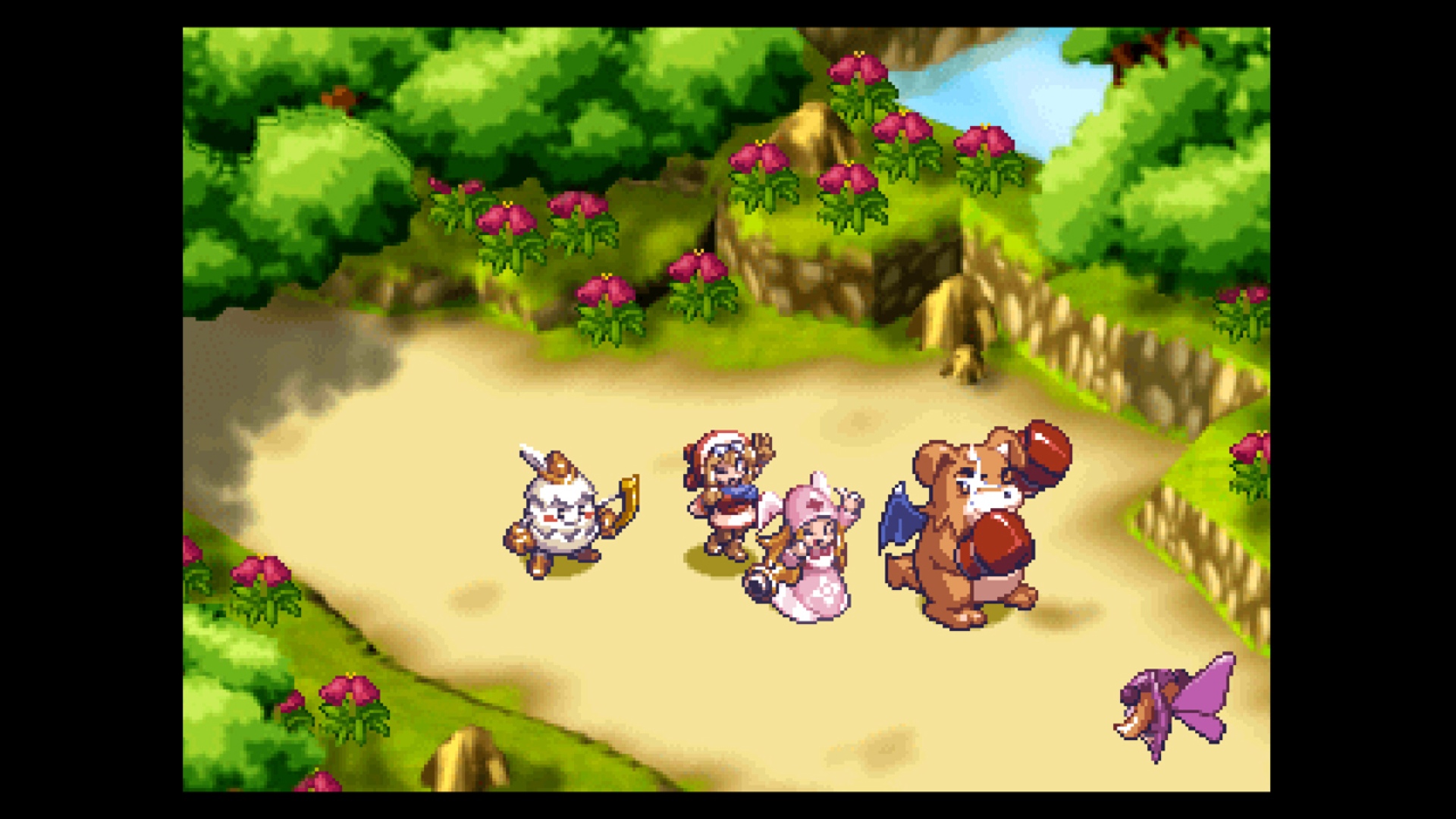
Of course, that’s preceded by “Musical”. And I’m not talking about the instrumental tracks (which are great); I’m talking about fully voiced, acting musical numbers, in your choice of English or Japanese vocals. These will likely appeal more to some than others, but I appreciate the ambition shown. Plus, the way they are spread out to highlight story developments while limiting potential annoyance demonstrates thoughtfulness.
Rhapsody does have its share of b-side issues. It can feel dated, with its various gameplay elements not coming off as balanced. And its theme, while unique, is not immune to its own clichés and preponderance of chats. It may prove more memorable for its music (albeit an acquired taste) than its plot. But how many other RPGs let you control a puppeteer battling her way through a BBQ restaurant while laughably breaking the fourth wall? Rhapsody: A Musical Adventure should find an audience on Nintendo Switch 2, whether it’s new players, returning ones, or a mix of both.
Review: Console Archives Rhapsody: A Musical Adventure (Nintendo Switch 2)
Good
Rhapsody does have its share of b-side issues. It can feel dated, with its various gameplay elements not coming off as balanced. And its theme, while unique, is not immune to its own clichés and preponderance of chats. It may prove more memorable for its music (albeit an acquired taste) than its plot. But how many other RPGs let you control a puppeteer battling her way through a BBQ restaurant while laughably breaking the fourth wall? Rhapsody: A Musical Adventure should find an audience on Nintendo Switch 2, whether it’s new players, returning ones, or a mix of both.
The Author