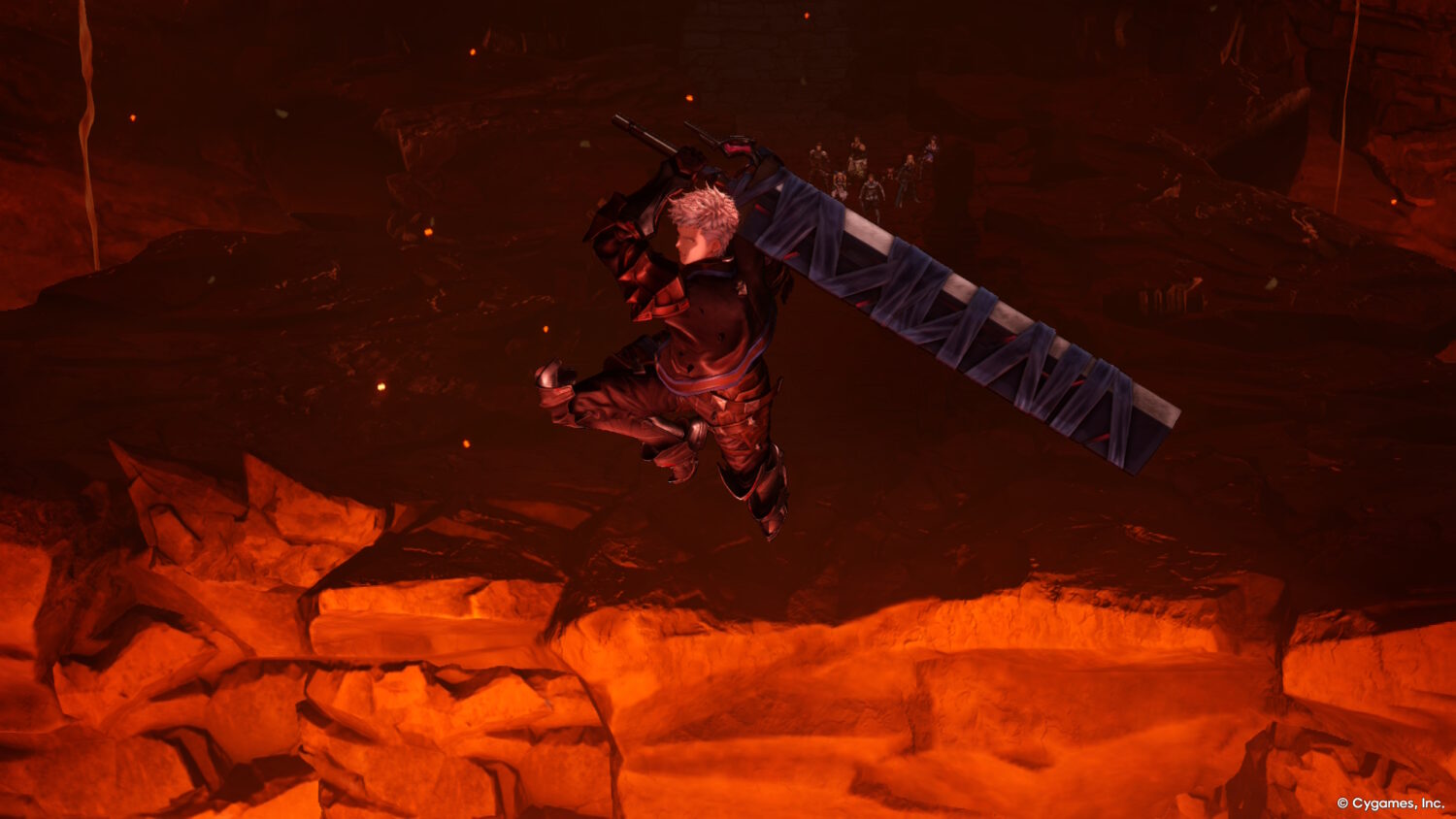

It's all part of my Ragnarok fantasy.
You can tell from the title of Granblue Fantasy: Relink – Endless Ragnarok that there’s going to be some confusion. It certainly sounds like a remake, or a sequel, or a spin-off, but it’s likely going to be brand new to Nintendo gamers. The series actually dates back to a Japan-only 2014 mobile release. And despite receiving an anime, manga, and various video game spinoffs, Relink – Endless Ragnarok is its Nintendo system debut. And what a debut it is.
Granblue Fantasy: Relink – Endless Ragnarok feels different from the very start. You begin the game with your core party intact. Everyone knows each other. You’re not an unassuming village who sets out to gather some wood only to become embroiled in a plot to overthrow the kingdom. You’re not an amnesiac who washes ashore on a beach only to become embroiled in a battled between the gods. You join an adventure in progress, but the game does a great job of not making you feel lost or left out.
That’s partly because the characters are so warm and welcoming from the start. It’s likely due in part to the myriad JRPGs I’ve played in the past, but I felt like I knew Katalina, Vyrn, Rackam, Rosetta and the other skyfarers right away. Of course, there are also unlockable flashbacks available to flesh out the characters’ backgrounds.
Most chapters are narrative only, some provide a mission to complete, and all provide rewards for completing them.
The party’s ultimate goal is to find the mythical land of Estalucia, but you’ll get sidetracked by numerous conflicts and the kidnapping of a very important member of the party. There’s more to it, but not much more, so I’ll leave you to unveil what little there is to discover with the plot.
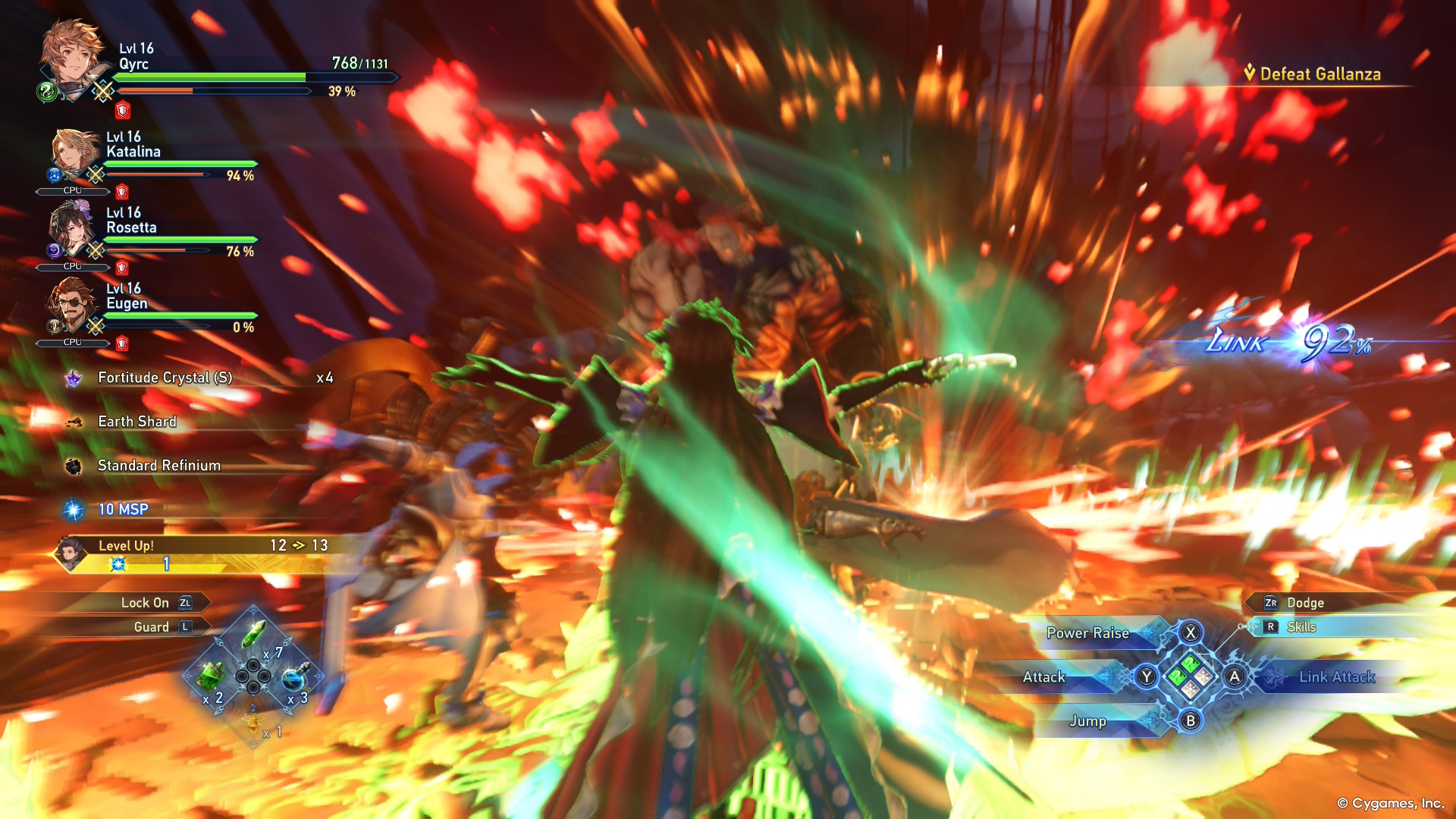
What really matters here is the action. Granblue Fantasy: Relink – Endless Ragnarok forgoes the typical turn-based combat of JRPGs for a 100% action-oriented approach, and it’s absolutely loaded with that action. You can take four skyfarers into combat at a time, leaving three to either AI or online/local co-op control. Each character makes unique use of typical physical attacks, but is also armed with special attacks that can do more damage against certain element types.
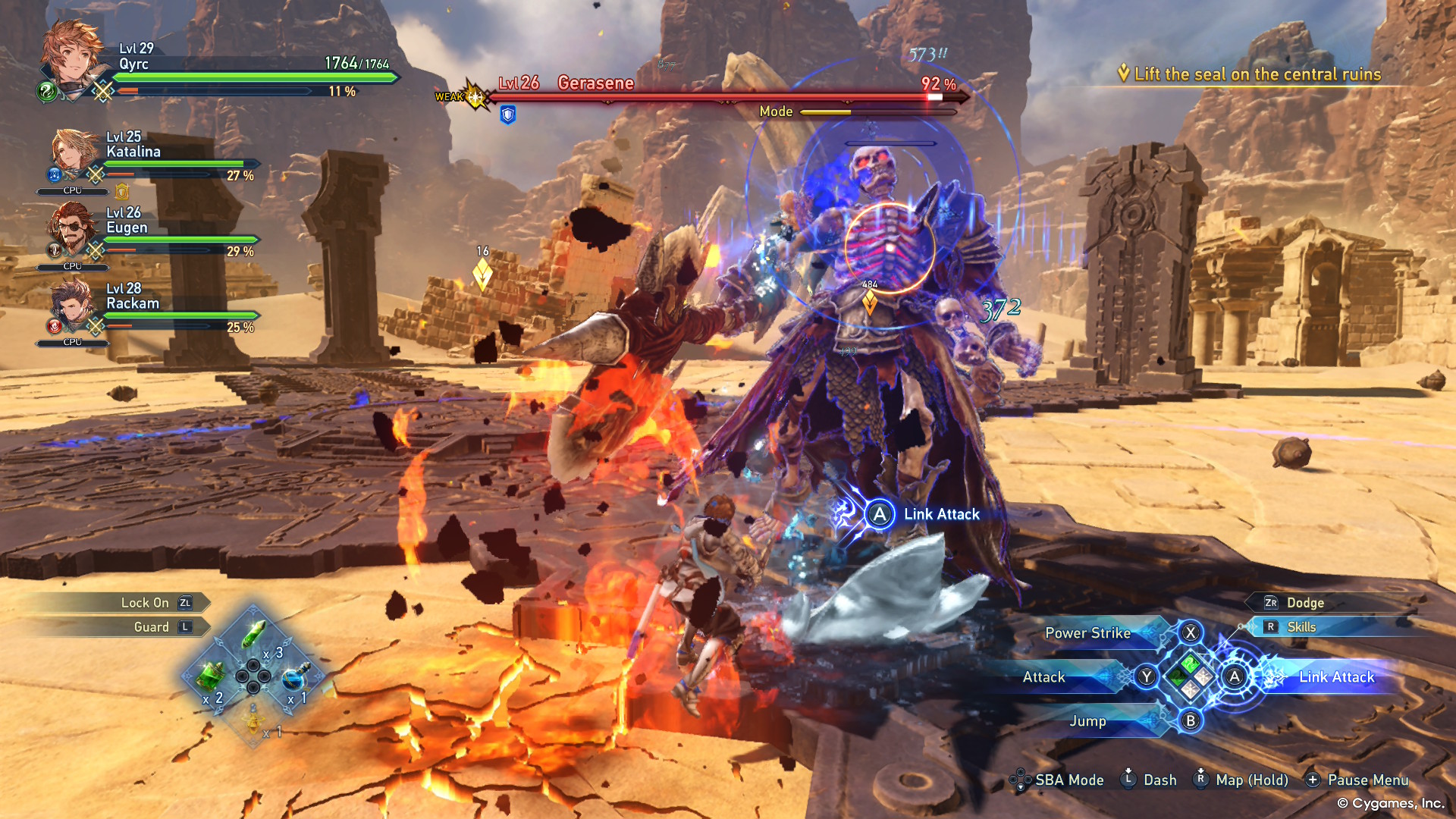
Shuffling your party is key to exploiting those elemental advantages, especially against the numerous bosses you’ll face along the way.
But you’re not just relegated to the game’s central characters. There are a couple dozen recruitable characters available, most of whom greatly alter the feel of combat. The button combos are so radically different on most that I found myself sticking with just a few characters in order to feel in control. If you do decide to experiment (or want a different party for subsequent playthroughs), you can save your loadouts for easier retrieval when necessary.
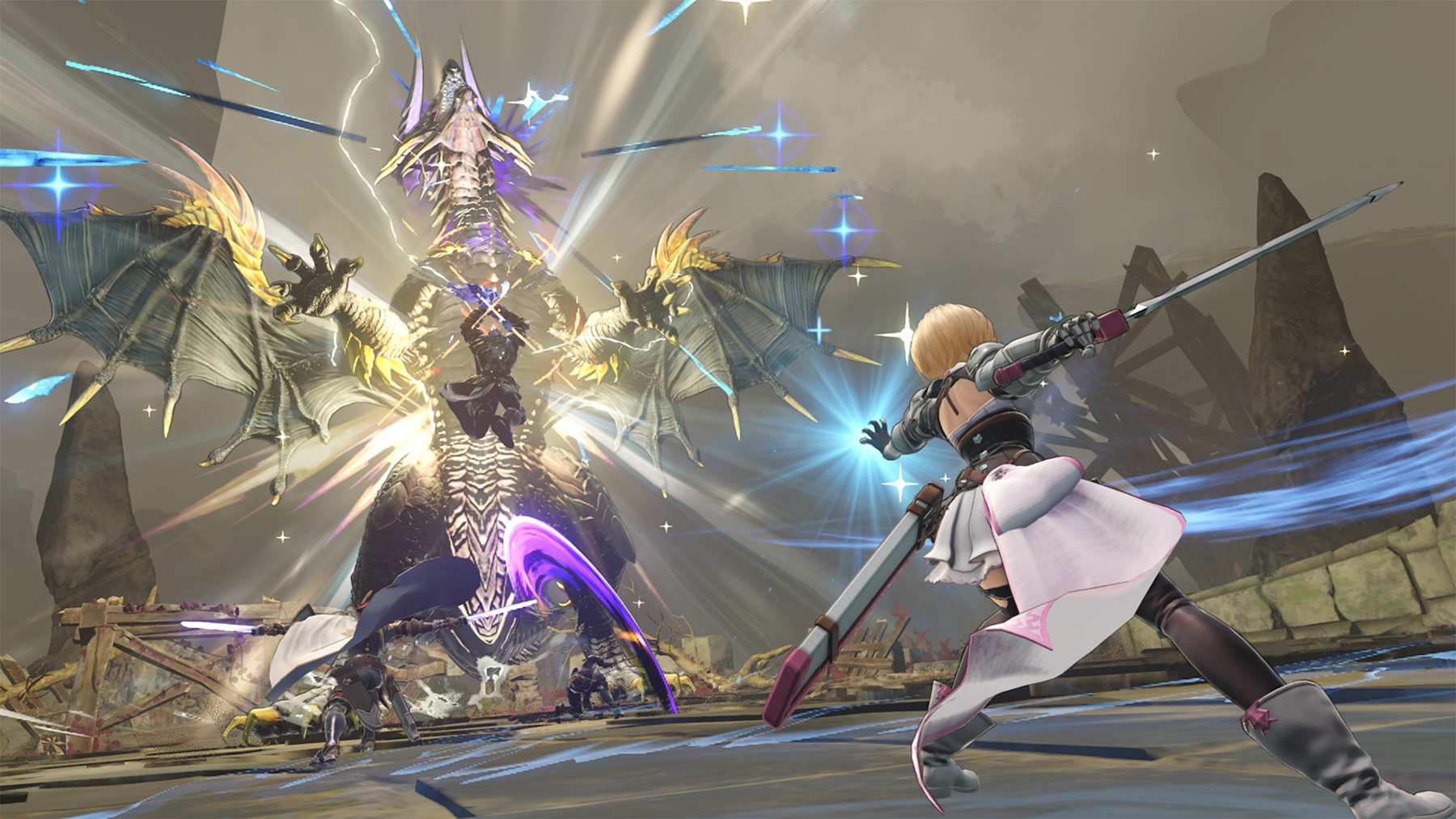
Battles come in multiple forms, too. You have the aforementioned bosses, which often prove lengthy and tense. One particular boss battle is my favorite of recent memory.
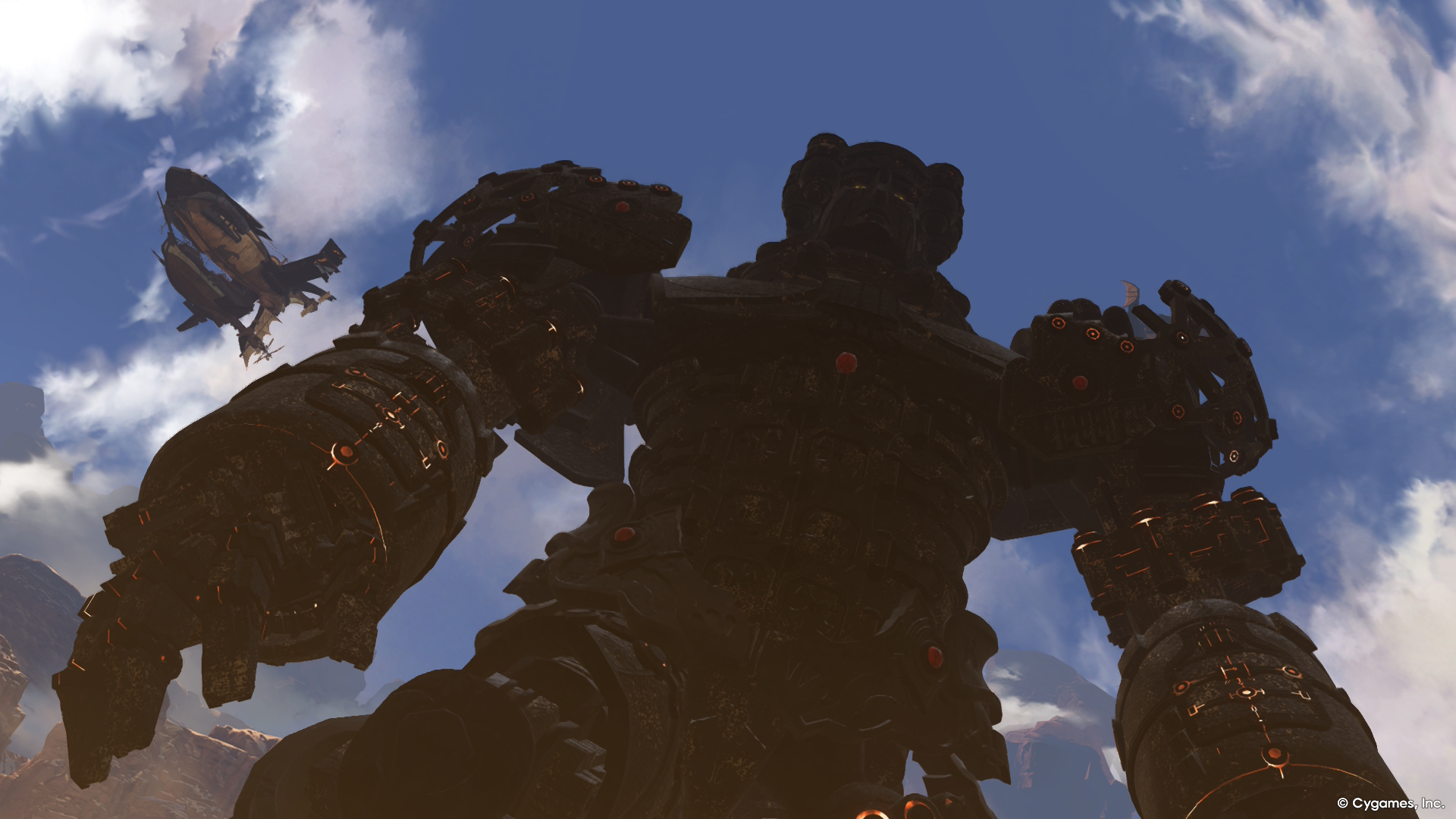
You can also encounter hordes of enemies at once. These battles are quite chaotic, but never completely overwhelming. Sometimes, you may just have to defend an area or character for a set time limit. Granblue Fantasy is constantly changing up the encounters and the pacing never really slows down.
Until you get to the various towns, of course. Here, you can optimize and upgrade your party members and weaponry, recruit new members, take on sidequests from citizens, and sell off your collected treasures. A quest guild of sorts is available for special missions that rate your performance and provide greater rewards.
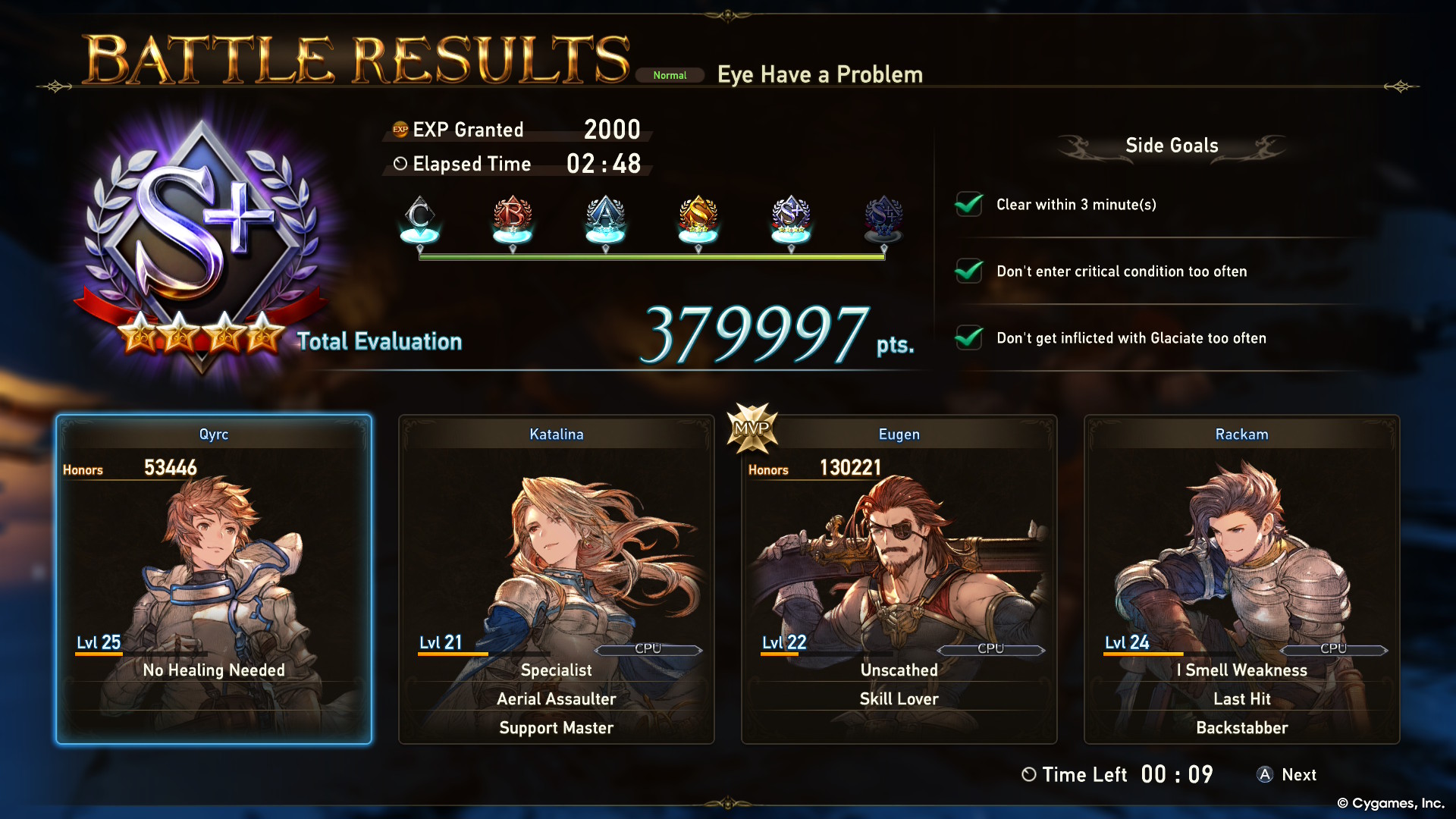
Uniquely, the game drops you off right where these missions begin and whisks you back upon completion. And if you’re not happy with your performance, you can repeat them.
These are a great opportunity to take advantage of the game’s co-op multiplayer. I’ve downplayed this feature so far, as I mostly played the game solo. But if you want to join up to three others locally or online, it’s very easy to do so. If co-op isn’t your thing, no worries; the party member AI is quite efficient.
Best of all, though, Granblue Fantasy: Relink – Endless Ragnarok looks amazing on the Switch 2. The character designs are distinct but consistent, the environments are stunning and diverse, and the animation is smooth and wonderfully choreographed. If I encountered any framerate drops, I was too caught up in the action to notice. Visually, this may be my favorite Switch 2 game yet.
The only thing that really hurts the game is repetition. Story progress is exceptionally linear. The developers do a fine job of changing up gameplay, but you’re still pushing down paths on fight, run, fight, run pacing throughout. And although the enemies you face look different, you beat most of them pretty much the same way.
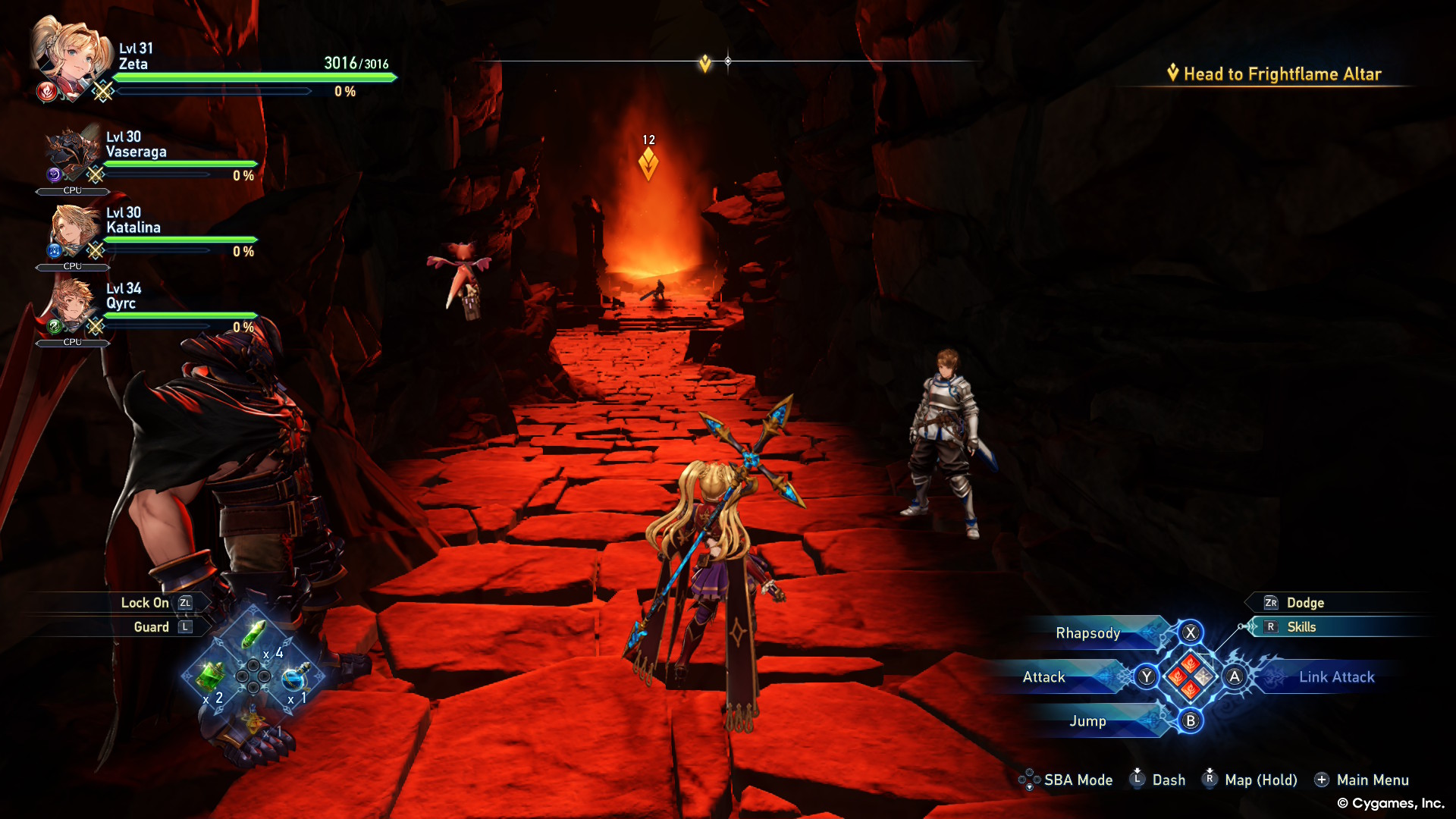
I also didn’t like that the map is hidden by default, and you have to push a button to lay it over the action when you want to see where you’re going. And speaking of buttons, the map and the ability to run (which is key in the treasure chest races sprinkled around) are assigned to pressing the R and L sticks. I hate that, so I remapped them to the grip buttons on the Switch 2 controller. I suggest you do the same, if you can.
Finally, Granblue Fantasy: Relink – Endless Ragnarok is very short compared to other JRPGs; you can complete the story in under 30 hours. Multiple playthroughs and bonus content extend its life, but at $60, I wish more had been put into the core game.
Still, I had a marvelous time in this world, and I expect I’ll continue to do so. Don’t worry if you’re behind on the lore; Granblue Fantasy: Relink – Endless Ragnarok is a fantastic starting point for this franchise, and I hope we’ll get new ways to spend our time with the skyfarers in the years to come.
Granblue Fantasy: Relink – Eternal Ragnarok (Switch 2)
Great
Granblue Fantasy: Relink – Endless Ragnarok is one of the more unique, attractive, and immediately enjoyable JRPGs available for the Switch 2. The main story is not very long, but the game offers more than enough peripheral content to keep players busy for quite some time.
The Author