
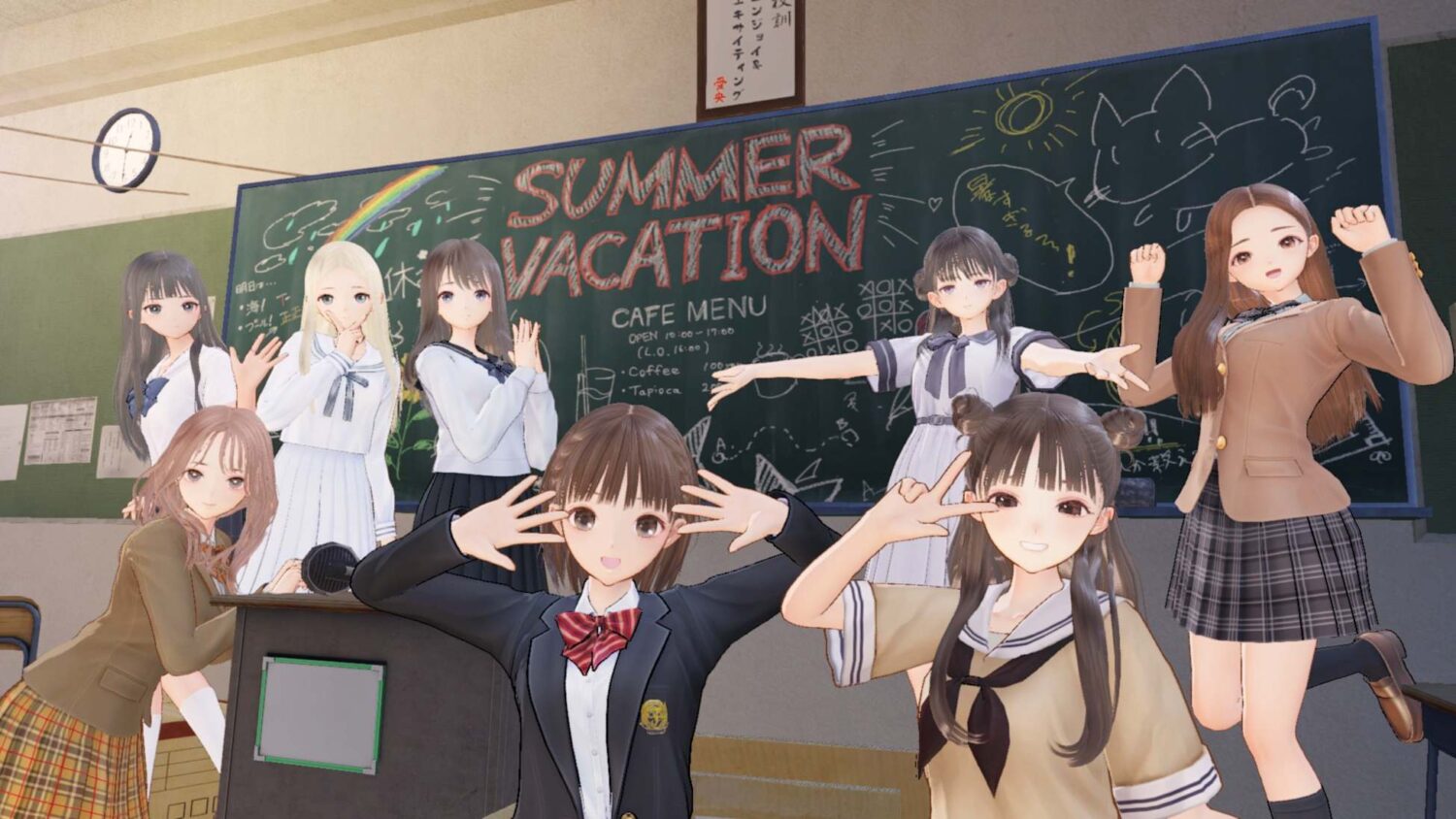

Crystal Blue Reflection – It's a new vibration
I quite enjoyed BLUE REFLECTION: Second Light when I reviewed the Switch version back in 2021. I gave it a 7.5/10, stating that, “..the touching story and fluid combat system are compelling enough to drive you through.”
But I did so with little knowledge of the franchise’s larger universe. Second Light was the sequel to a game I hadn’t played, and I’d never worked through the various spin-offs, either. If it’s the same with you, that can now be corrected with BLUE REFLECTION Quartet for Nintendo Switch and Switch 2.
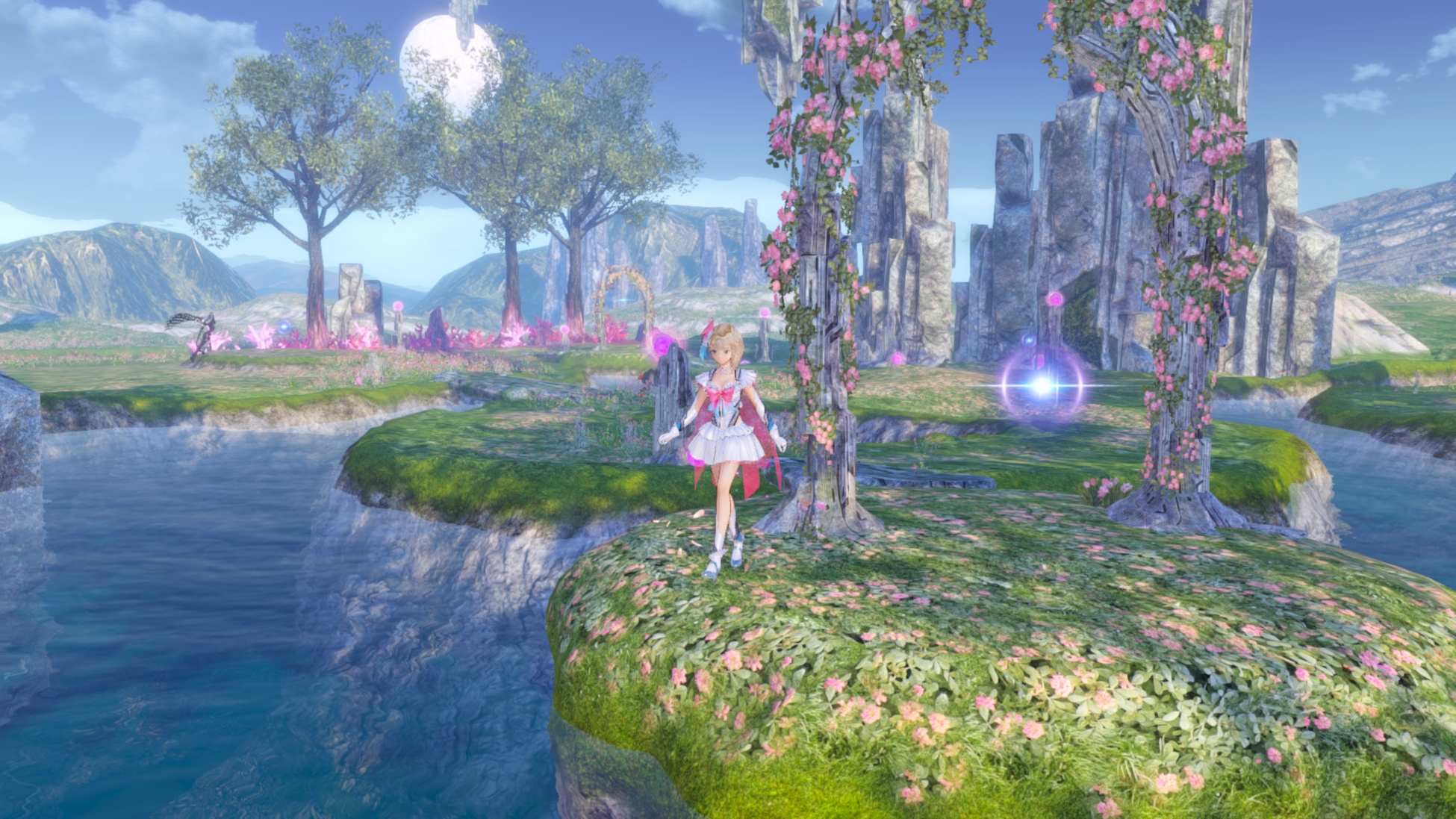
Four titles comprise the compilation: 2017’s BLUE REFLECTION, 2021’s BLUE REFLECTION RAY anime series, the BLUE REFLECTION SUN mixed-media project released for mobile/PC across 2023-24, and the aforementioned BLUE REFLECTION: Second Light, which was previously the only entry to have a Nintendo release. Fans at any level can now play through all four titles in one package, but should they?
To answer that, let’s look at what the series is about. The games in this package are JRPGs of varying degrees. The cast of young, female characters live in a world that’s dying, and they combat this by becoming Magical Girls and using their newfound special powers to counter the enemies. Unlike with most JRPGs, however, the story is heavily character driven. It’s as much about relationships, discovery, and healing as it is about saving the world.
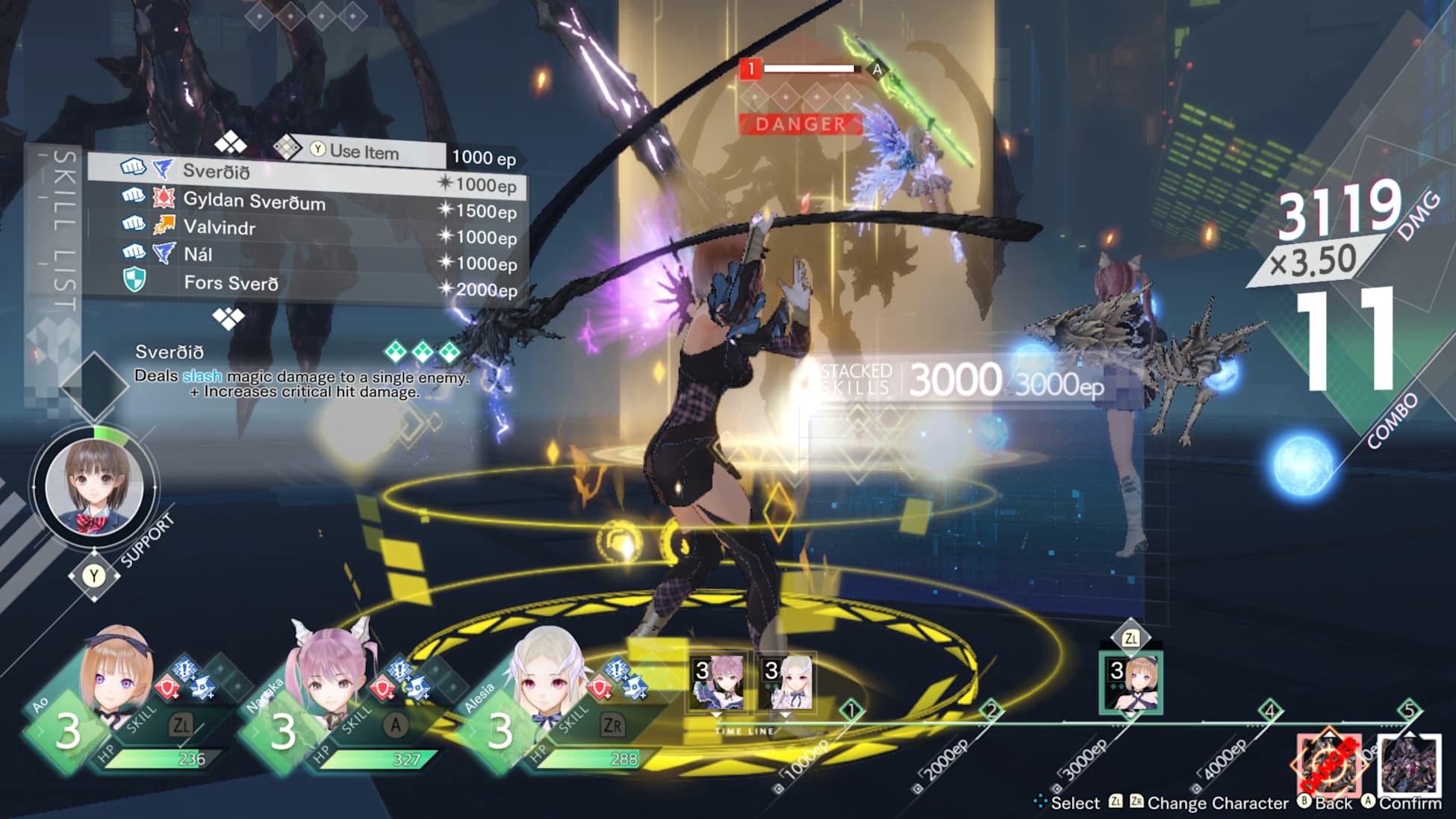
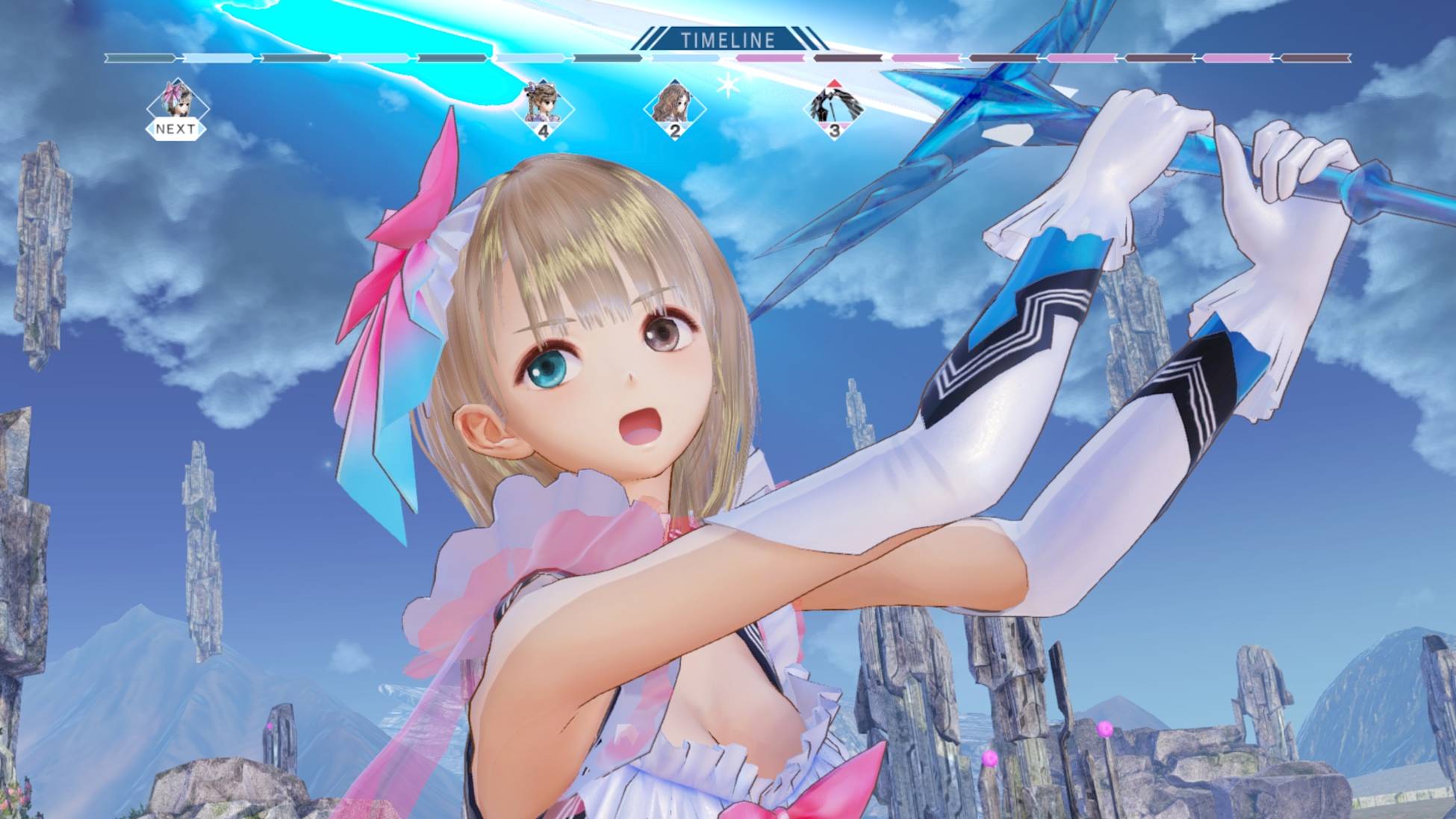
BLUE REFLECTION and BLUE REFLECTION: Second Light do the best job of conveying those themes. Each offers turn-based combat centered around a timeline that indicates when your party members and the enemies will attack. The longer you wait to attack, the more powerful the attack can be or the more attacks you can execute uninterrupted, depending upon which you use. Your attacks can also debuff or slow down enemies. And with multiple participants in the battles, it becomes a kind of controlled chaos that’s fun to push through. Second Light’s combat system and general exploration are more refined, but that’s to be expected from a sequel.
Between battles, you spend time exploring the girls’ social environments—Hoshinomiya Girls’ High School in BLUE REFLECTION and a mysterious summer school on an abandoned island in Second Light. Both locations offer numerous ways to build relationships, drive the story, and prepare for the battles ahead.
Having now played BLUE REFLECTION, I’m actually kind of glad I played them in reverse order. I had no concept of where the narrative was heading (or from where it came) when playing Second Light. That made for an interesting run. And I enjoyed the story in BLUE REFLECTION now because I knew to what it was leading and was interested in seeing it get there.
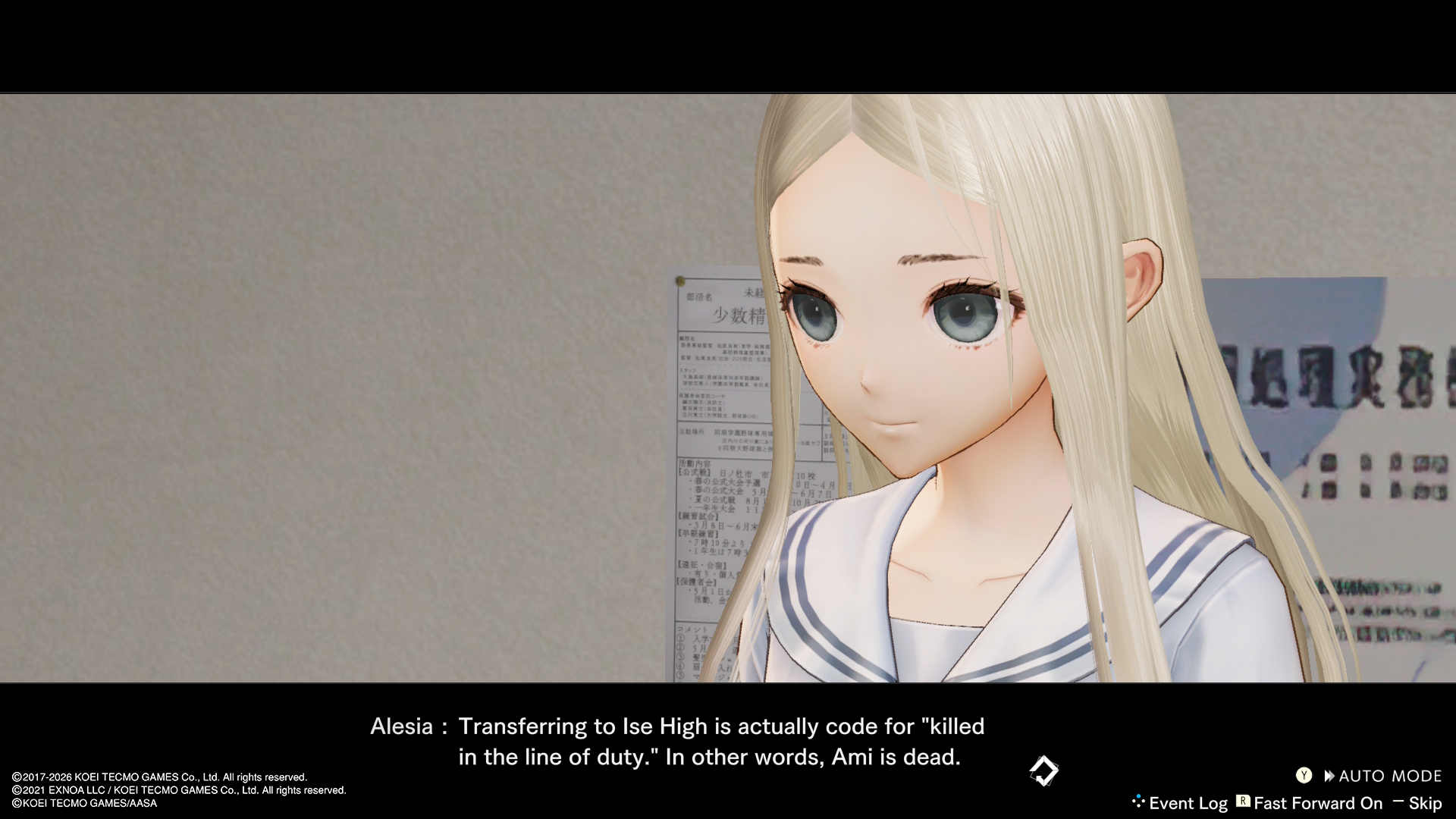
RAY and Sun are less involved. RAY is basically just a one hour recap of the anime that you kind of just walk through. It’s interesting for story development, but not imperative to the series. Those who are really interested in the lore should instead hunt down the full 24-episode anime series.
SUN does a bit better. It modifies its mobile origins for consoles, and features expanded character interactions and improved combat, the latter of which is now based on the Second Light battle system. Its episodic release approach on mobile does sometimes come across as disjointed here, and the introduction of a central male character sits at odds with the other games.
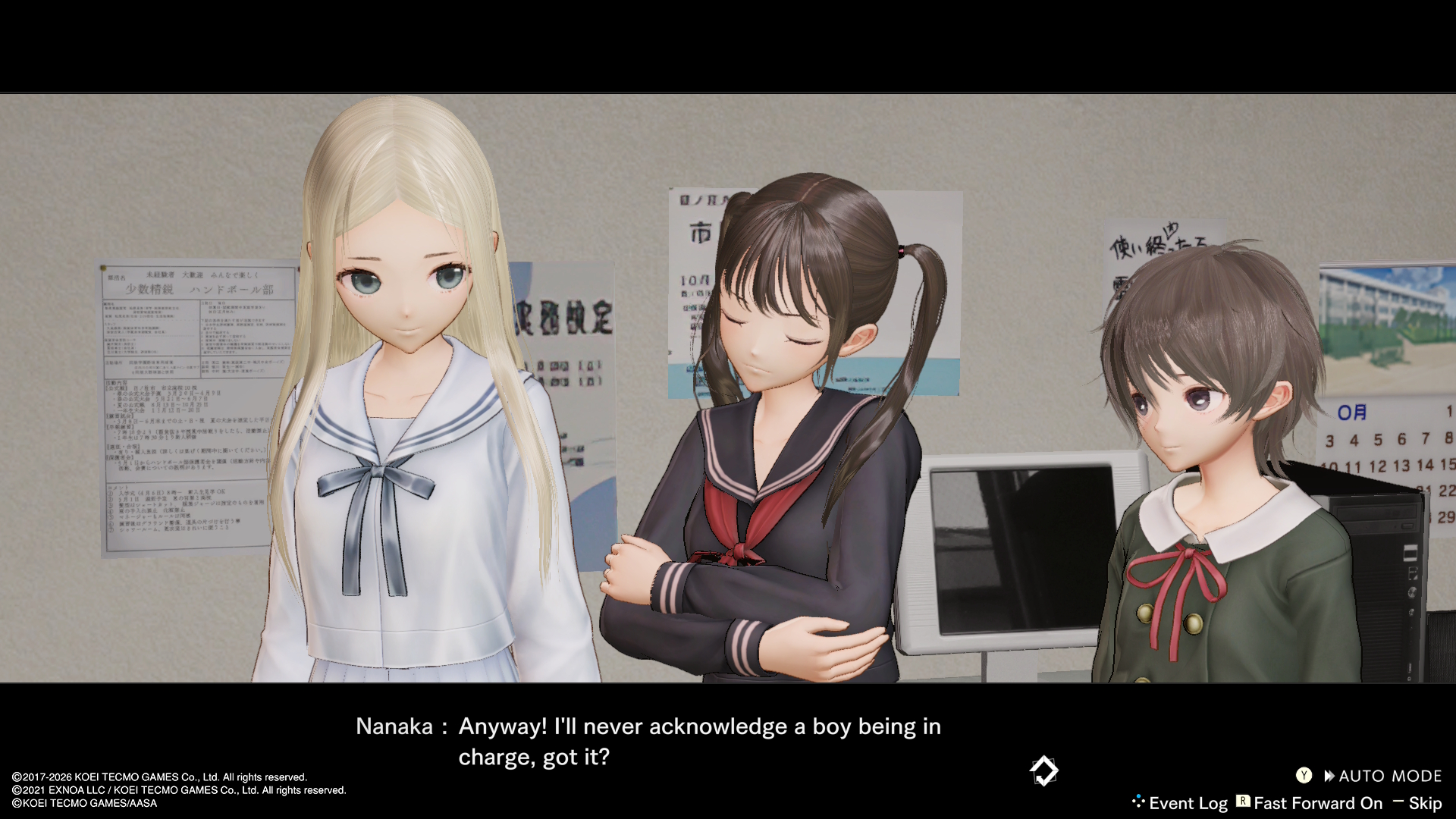
A couple dozen new character events have been added, and the original release’s epilogue and prologue effectively tie it in with the series. The best part for fans, though, is that it’s available at all; the original mobile/PC release’s servers have been shut down.
All four games look pretty good on both the Switch and Switch 2, and they perform well; nothing here will tax either system. They also won’t tax your brain. The combat, although engaging, is never very difficult, and character management is quite basic compared to most other JRPGs at your disposal. I’ll compare the experience to a mash-up of Atelier style combat with Persona style character and story progression.
That story centers around high school girls coming of age on the edge of an apocalypse, but they still have plenty of time to work through some pretty heavy issues and feelings. And because they do so with magical girl trappings, a number of JRPG fans will likely ignore BLUE REFLECTION Quartet.
That’s fair, I suppose, but unfortunate. Although I can’t get behind every game in this collection, BLUE REFLECTION and Second Light are worth the price of admission. And if you’ve already played the latter, eight new characters and some quality of life improvements incentivize a second playthrough. Spend some time with these young warrior women and you may find you have more in common with them than you would’ve thought.
Review: BLUE REFLECTION: Quartet (Switch 2)
Very Good
Not all of the games that comprise BLUE REFLECTION Quartet will satisfy JRPG fans, but the tentpole entries are fun. Combat is engaging, albeit too easy, and the characters and stories are surprisingly relatable to those of us who typically don’t leave our villages to overthrow kingdoms or defeat the gods on a regular basis.
The Author