
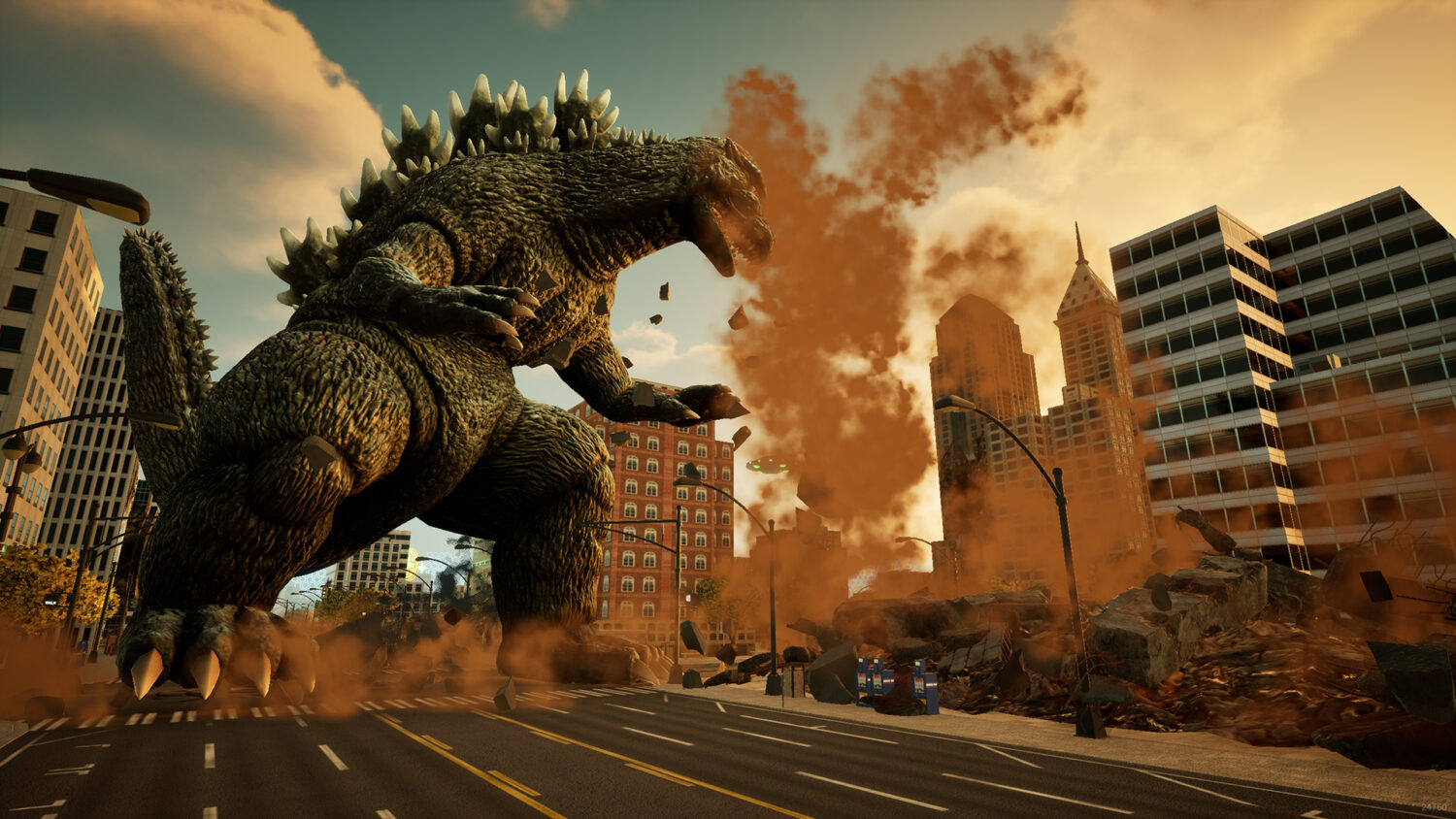

"Let them fight." - Dr. Ishiro Serizawa
Godzilla: Destroy All Monsters Melee is how I introduced my oldest son to two of the three greatest things in life: Godzilla (of course) and Nintendo gaming. With the help of the GameCube and a Post-It Note of cheat codes, Sam took to it like…well, like I first took to Godzilla movies after discovering them on Superhost one mid-’70s Saturday afternoon.
And now, here on Godzilla Day 2026, Destroy All Monsters Melee is back, remastered for Nintendo Switch 2 by the good folks at Atari and Pipeworks. It’s a release that relies more on nostalgia than on modern gaming components for its appeal, but if you’re seeking epic kaiju battle action, it delivers that with the glee of…well, of Superhost himself.
At its most basic, Godzilla: Destroy All Monsters Melee Remastered is an arena fighting game.You play as one of the 12 available Toho kaijus—each with its own moveset—and battle it out on the map of your choosing.
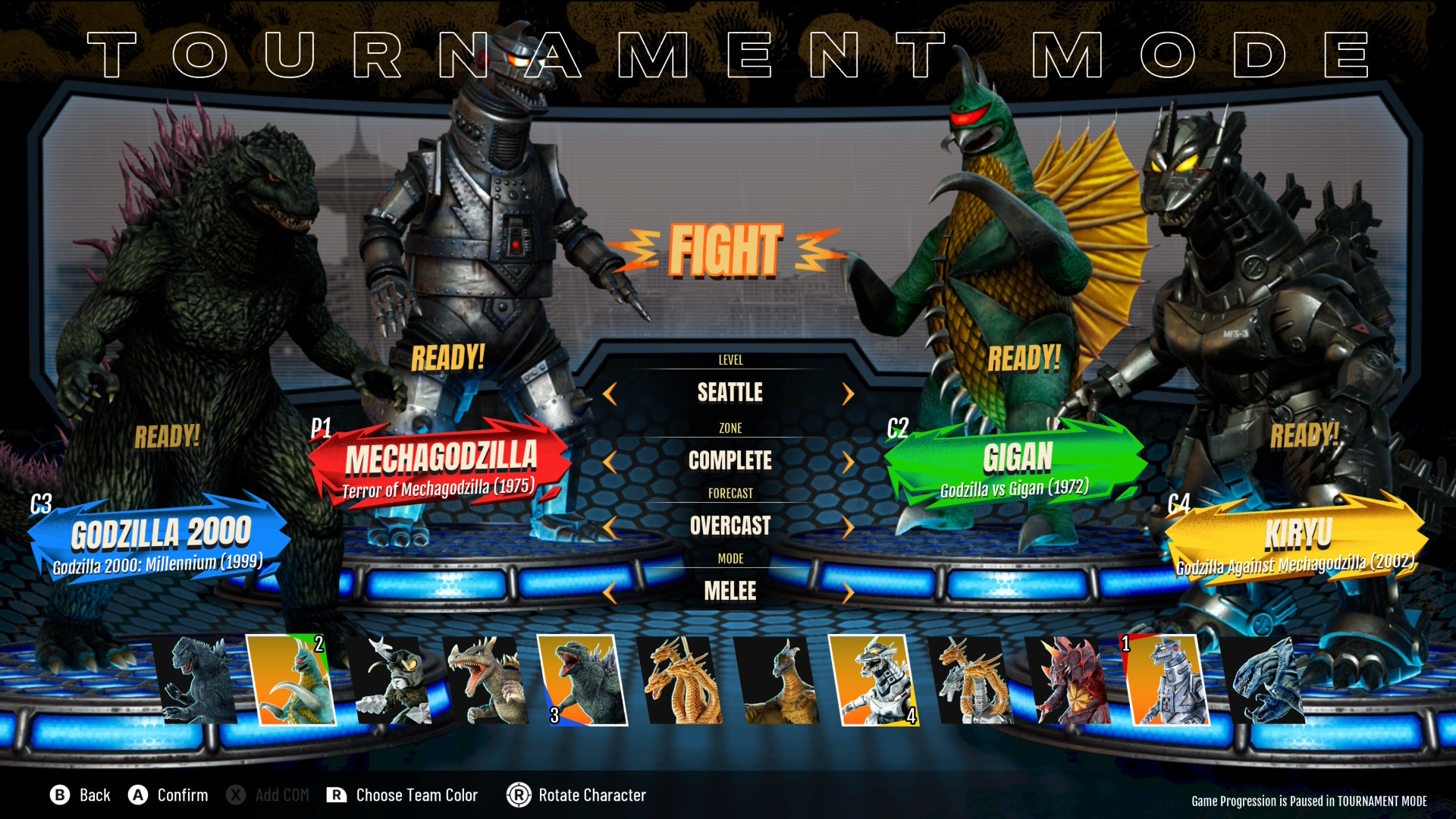
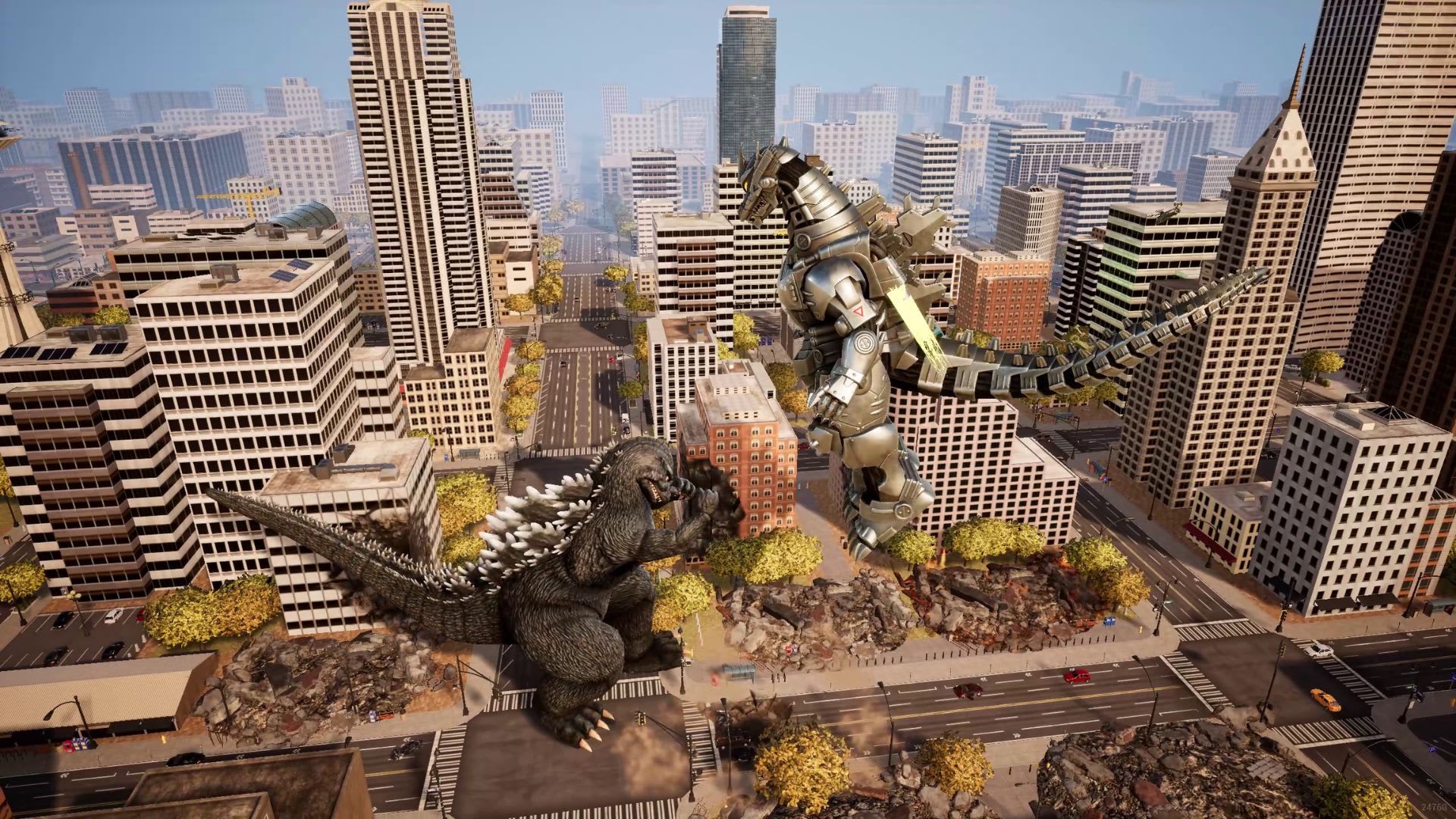
Movesets include melee attacks, ranged energy blasts, and special rage mode strikes. The environment is part of the fight; monsters can pick up and throw buildings and other landmarks from across destructible, real world cities as well as Monster Island and an Alien spaceship.
These battles commence in local versus and melee modes, as well as the new online mode. Each kaiju gets a single-player campaign, and you can now unlock the monsters in the order of your choosing.
The actual combat is smooth, focusing more on learning the movies for each monster than on precision timing and button mashing. These are daikaiju, after all, and they’re more about brute power than finesse.
And although there is some overlap in their abilities, they’re diverse enough to keep things entertaining as you play through them all. Discovering new moves—such as Megalon’s 360 twirl—is a big part of the fun.
If you remember the original release on the GameCube, you should be impressed with the visual update in this remaster. Although some of the effects still seem pasted on and the monsters occasionally look more like they’re floating above the set instead of moving through it, the general look is much improved. The cities have a more natural depth to them, and the kaiju themselves look the coolest they ever have in video game form.
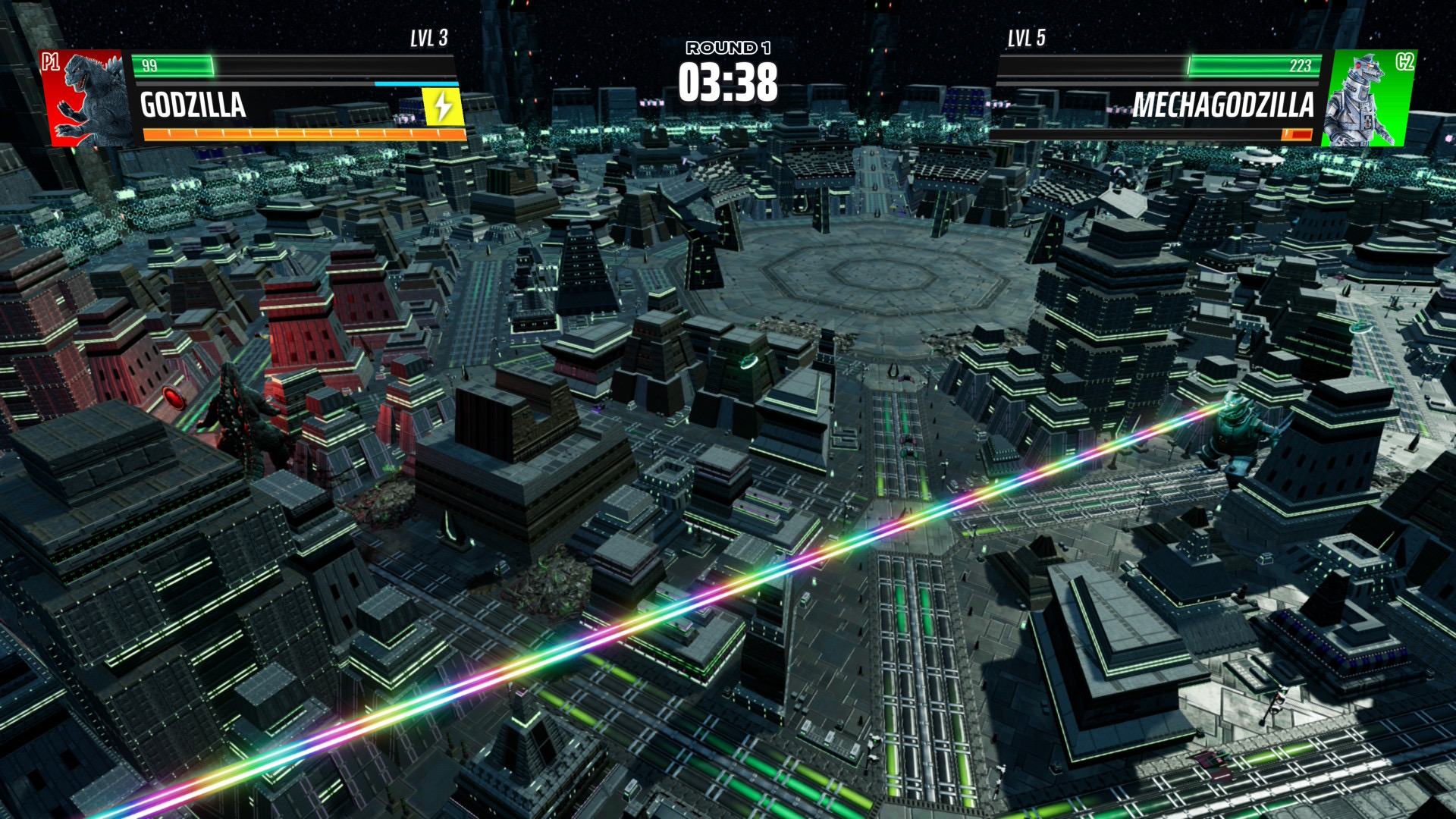
The upgraded visuals do come at a bit of a price, though, as the action lags somewhat when using beam attacks while playing 1v1v1v1 with certain characters.
Despite all the modern trappings Godzilla: Destroy All Monsters Melee Remastered does carry forward some issues from the 2002 original. For example, the system for leveling up still feels very grindy. You need to level up some kaijus to unlock other kaijus, then level them up to get their stronger abilities such as their main rage attacks. It gets repetitive playing the same kaijus over and over to get enough exp for a level up.
I also don’t like how tournament mode is in the game’s settings. It should be its own game mode so you don’t have to activate it every time you want to play as a kaiju you don’t have unlocked.
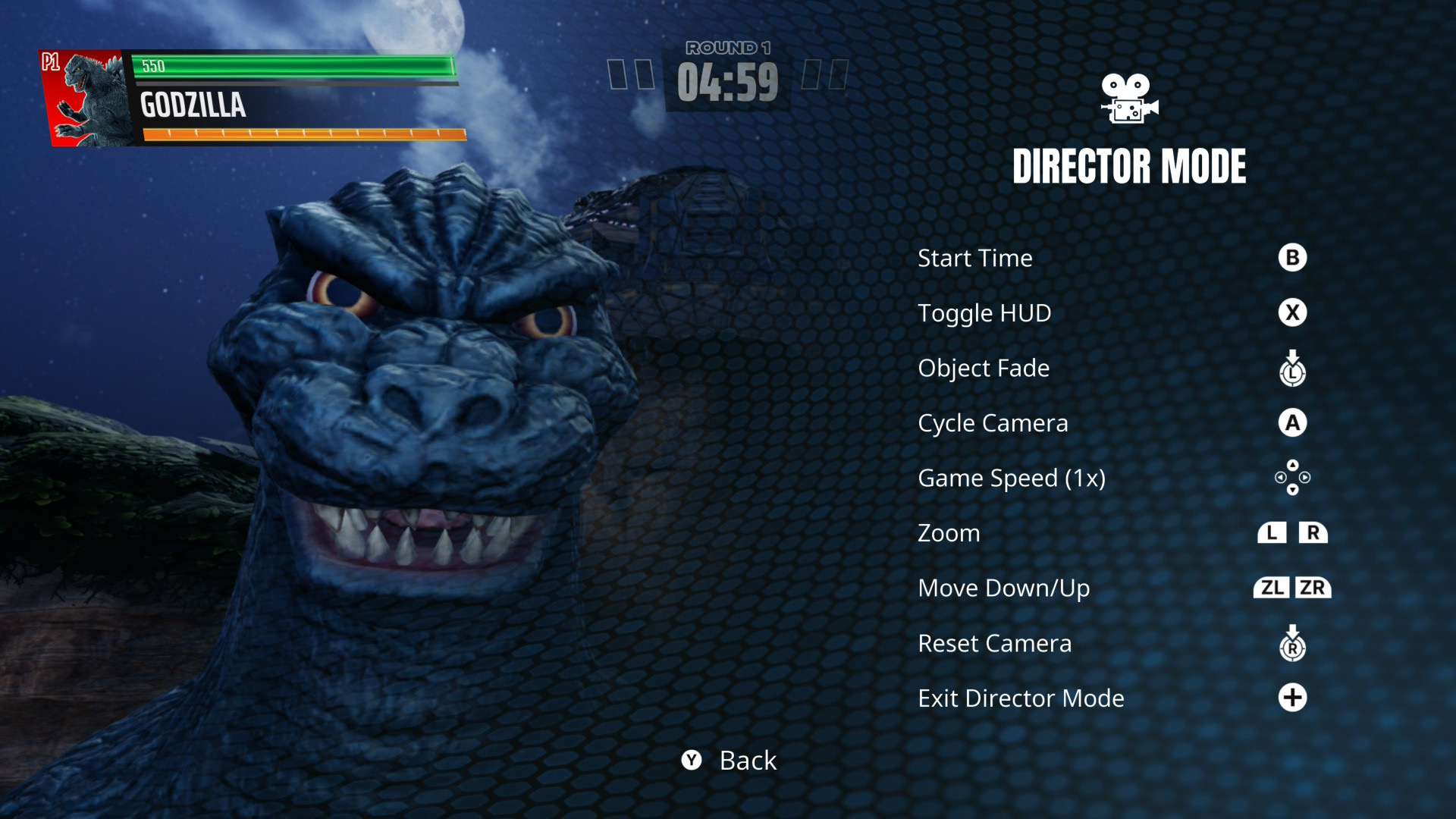
Similarly, director/photo mode has trash taking up half the screen, making it unnecessarily hard to take a good screen of the monsters far apart unless you really zoom out.
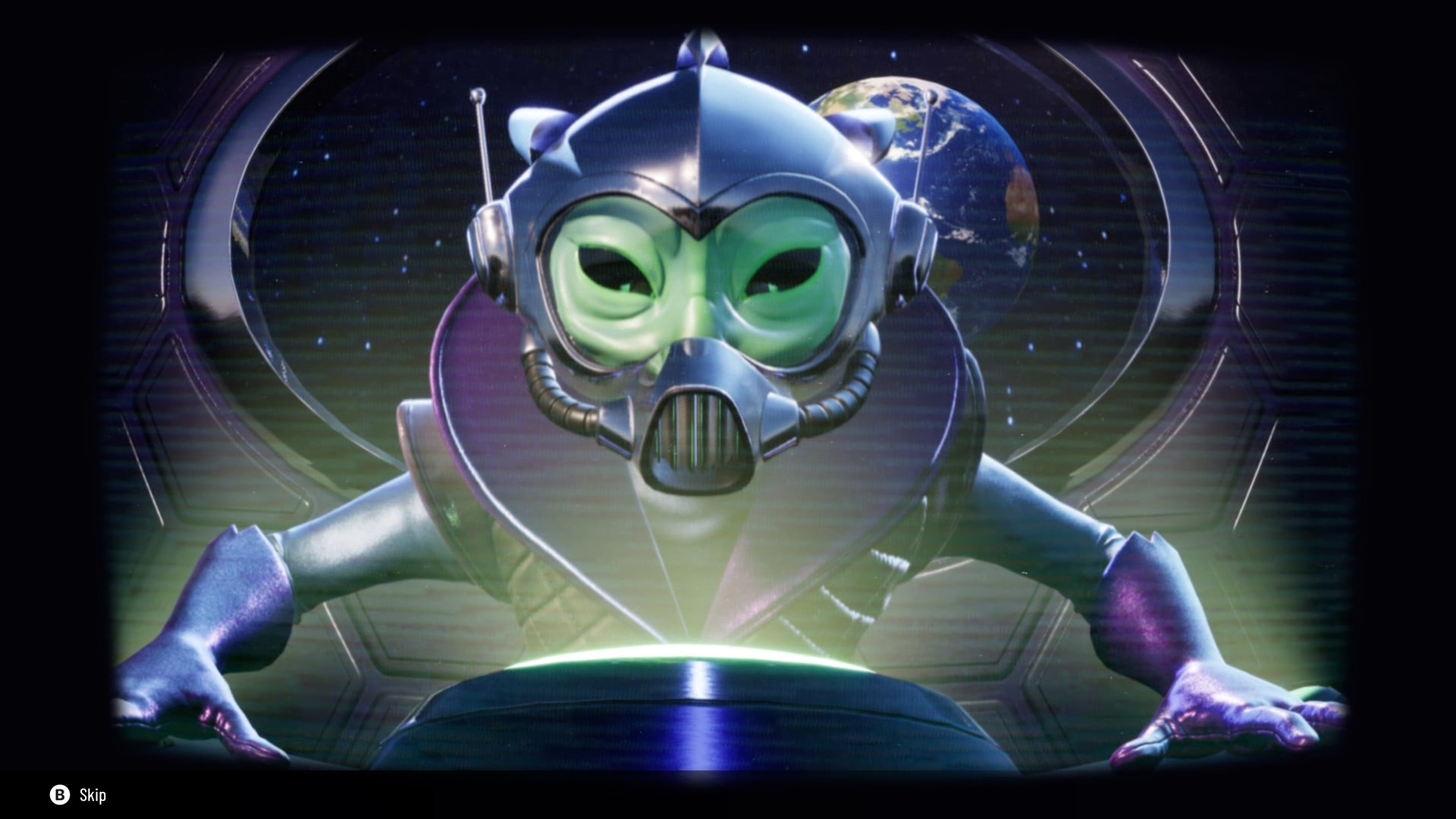
From a character standpoint, the aliens are neither Xiliens or Nebulans, they’re just generic, green, sci-fi Martian types.
Also no Jet Jaguar. He wasn’t in the original release, to be fair, but it’s still a miss.
And finally, what is a Godzilla game without beam attacks clashing to see who is stronger?
Those last few, of course, are my (and Sam’s) personal issues, and our personal issues aren’t likely to impact your enjoyment. You turn on Godzilla: Destroy All Monsters Melee Remastered for daikaiju battles, and daikaiju battles are what you get. It’s all delivered with the exuberance of a Heisei era Godzilla film or—perhaps more accurately—of the battles you orchestrated with your Godzilla toys after Superhost ended.
Review: Godzilla: Destroy All Monsters Melee Remastered
Good
Atari’s Godzilla: Destroy All Monsters Melee Remastered does enough to make the 2002 arena fighter accessible to modern gamers. Godzilla fans will eat it up like it’s Shosaku Takasugi’s corn cob gun, but that kind of precise targeting will alienate those with limited daikaiju interest.
The Author