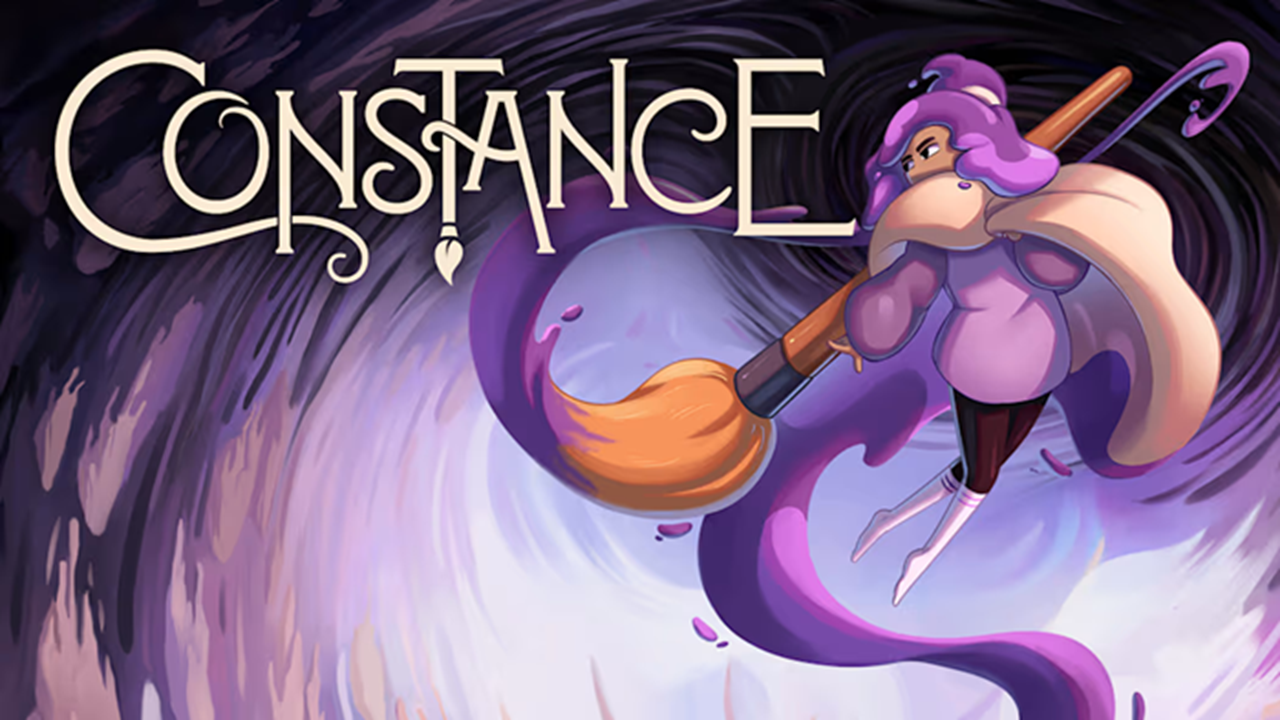

Kudos to Constance for resisting the temptation to explicitly call itself a “Metroidvania”. This is an action-adventure title—more often than not—and a great one. It does have a few eccentricities that might limit its market, but I still offer as broad a recommendation as I can within this niche.
Who is this game’s audience? Those who consume the sub-genre on Switch should absolutely go for Constance, as it’s a top-tier representation. Same with those less experienced with these types of games—like myself—so long as they are reasonably skilled; I had such a cool time reawakening some of the talents I developed as an NES kid. However, more casual players (perhaps with less dexterity, newer to the hobby, or more inclined to “cozy” titles) should probably take a pass. Even with some admirable attempts by the developer, Blue Backpack, some gameplay features (though appreciated) likely won’t be accessible without precision platforming savvy.
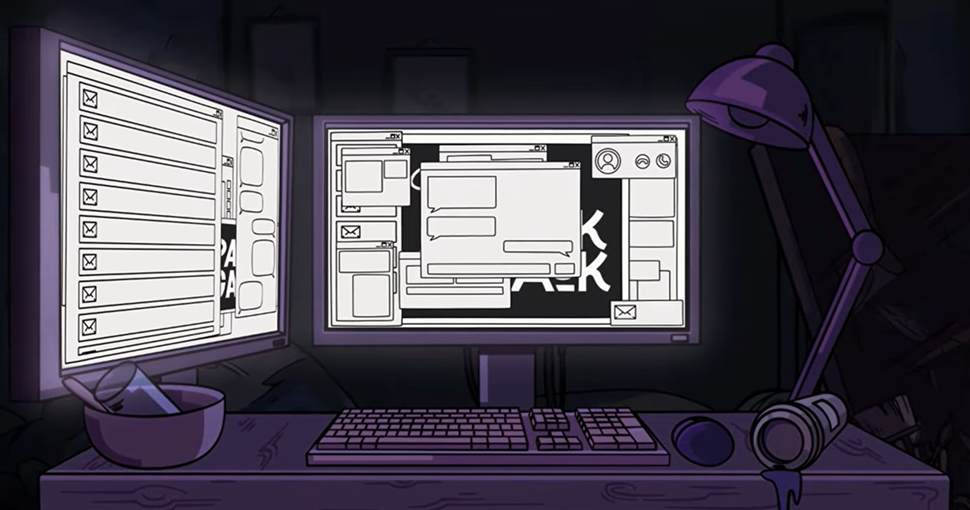
Things start with our protagonist, Constance (or Connie), being overwhelmed with emails. Hey, I can relate, hence why this download code was buried in my inbox for a couple of weeks (apologies to any devs/publishers whose press keys suffered similar outcomes.) She’s quickly dumped into “a colorful but decaying inner-world, created by her declining mental health.” The game has a trigger warning at the outset, so if you suffer from anxiety, burnout, or just don’t feel like playing a game with a psychological approach, you’ve been forewarned. Honestly, I suspect the devs introduced these themes because of their use (perhaps overuse) throughout the past decade or so. Is it original, or simply an alternative to older stories? In the end, it doesn’t matter much for two reasons. One, I actually prefer this world of the mind over some fantasy tropes other similar games employ. Two, because, despite iffy marketing to the contrary, Constance is gameplay-focused.
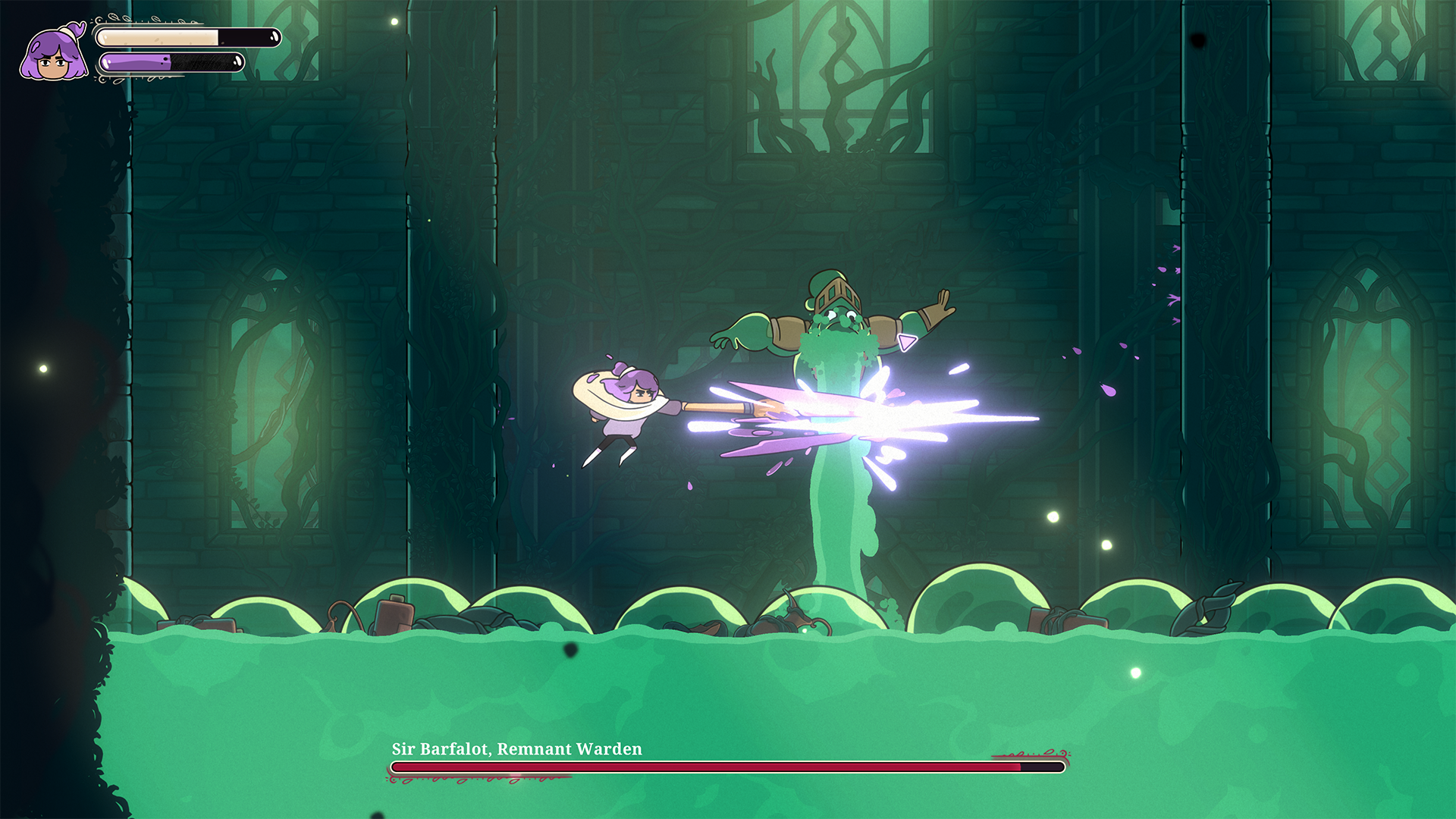
Let’s get this out of the way. Constance takes much inspiration from similar games. Hollow Knight is immediately obvious (and the devs didn’t shy away from this), but is that a bad thing? Even if most of the techniques Constance brings to the table aren’t strictly new, they still work remarkably well. Sure, I can say I’ve seen variants of these movesets (even long before the Switch era), but it’s rare I’ve seen them operate this fluidly. Most of the time I failed, I could be heard muttering, “That was my bad,” at least after I changed to a more comfortable and responsive Pro Controller. The game puts a new coat of paint on familiar gameplay, literally, as our protagonist wields her paintbrush to stab enemies, bounce off objects, and so much more. As a bonus, the paint leaves some extra color in already colorful and distinct regions.
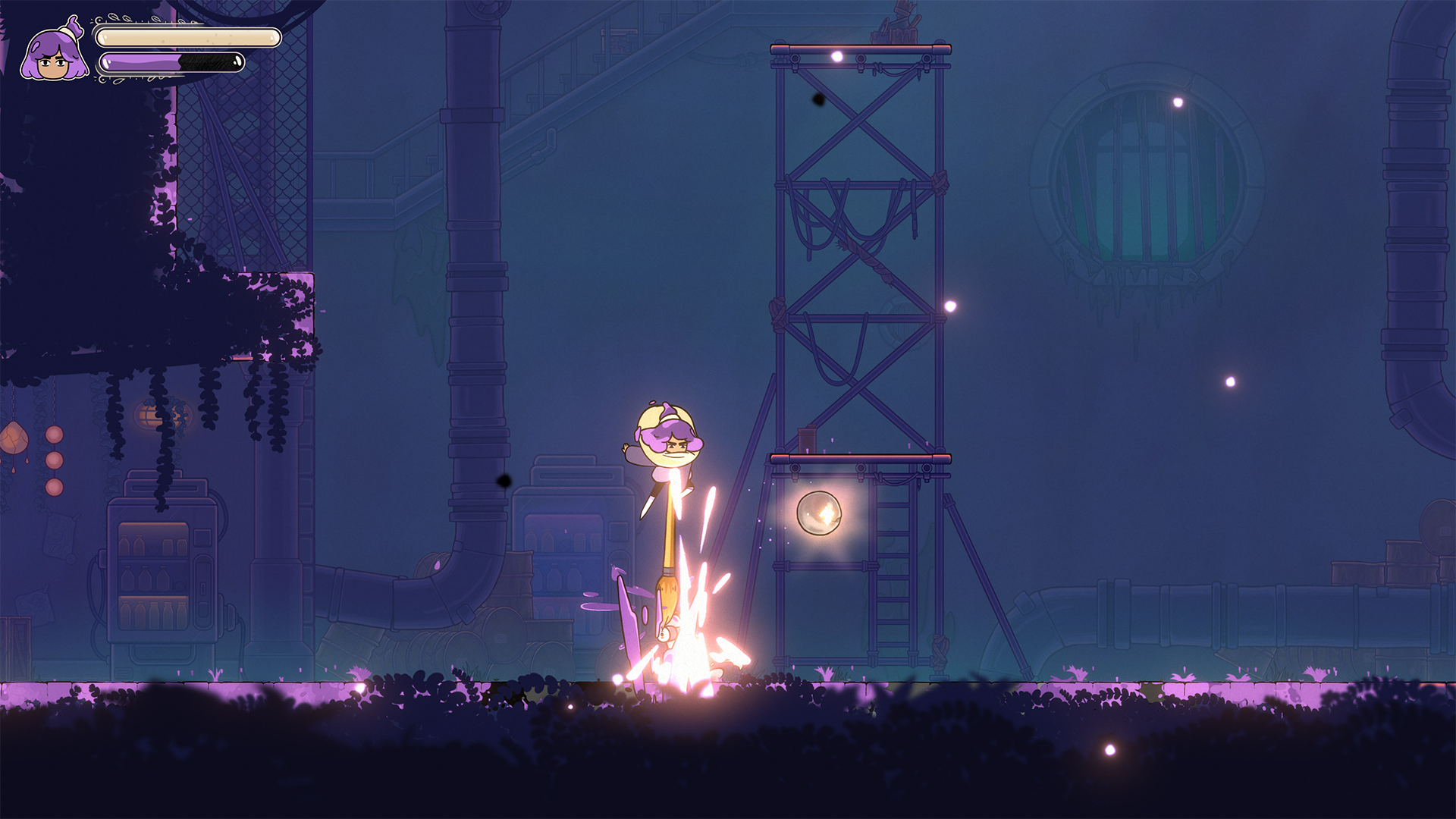
Constance is a beautiful-looking game with its hand-drawn aesthetic. Sometimes when I pause, it’s not just to catch my breath and regroup but to soak in the background details. Screenshots don’t do justice, as you need to appreciate the game in motion, so check out the trailer to get a taste of the visual feast that’s in store. The tunes add a lot to the experience, too, fitting the atmosphere of each area and the overall feel of where you are in the game in general. The soundtrack probably deserves more discussion than I’m giving, but your ears will be in for a treat. Both audio and visual settings are tweakable via the menu.
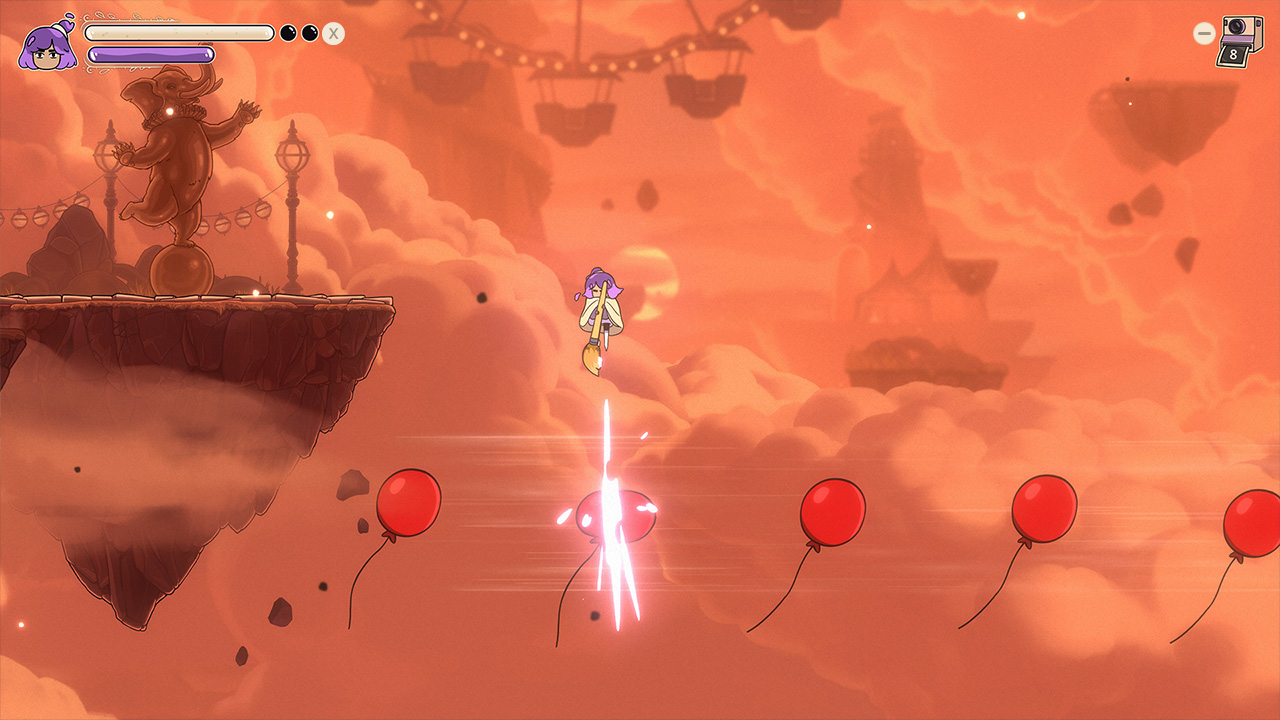
While the varied aesthetics help, the exploration is a joy in itself, especially as Connie expands her paintbrush techniques. I like the way the map is implemented, with a small one observable any time in-game, or an even larger one viewable from a separate menu. Even though I occasionally wish for tighter zooming, the way things are organized keeps me focused without feeling overwhelmed. Elevators connect each area, so while there will be backtracking (especially with some of the convoluted ways these rooms link up), it’s never too burdensome. A snapshot feature lets you take pictures of key areas (like locked rooms) and pin them so you can find them more easily later. And just when I thought the map was a little too basic for those with completionist leanings, it granted me an optional improvement that not only showed respect for my time but also lessened the potential for any late-game boredom.
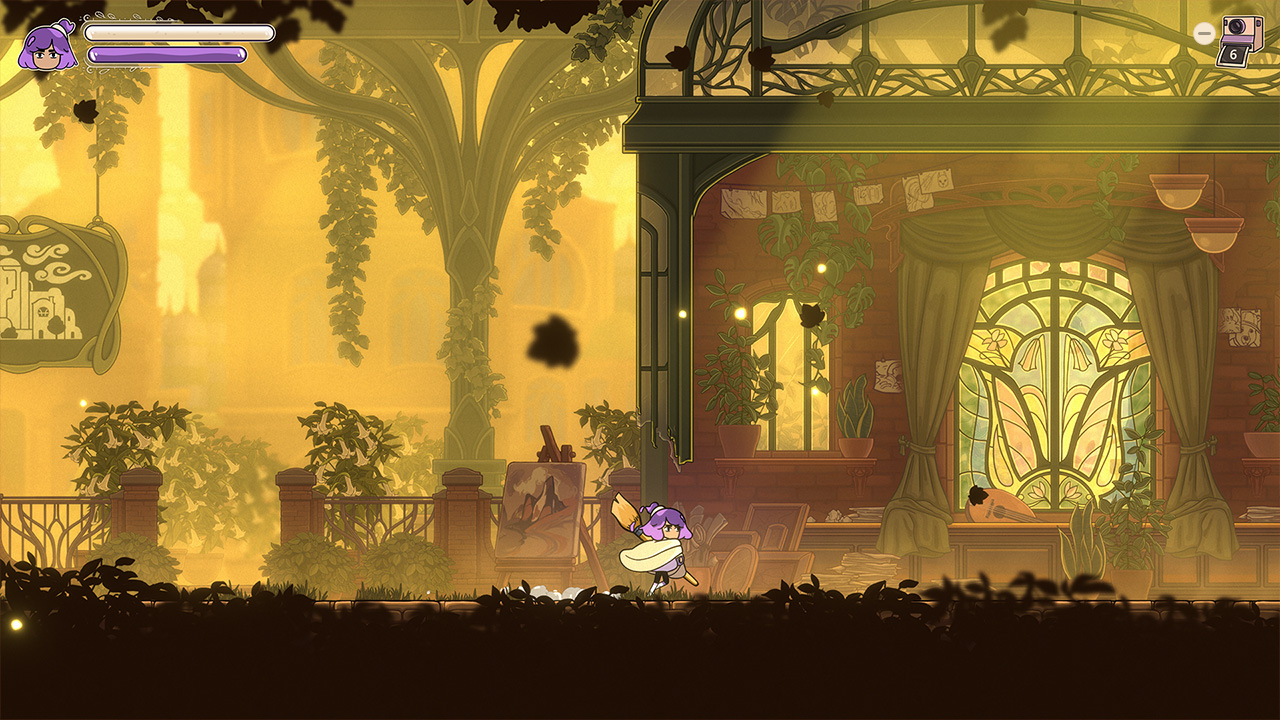
Combat is quite fun as you learn how to engage all of the diverse enemies, who vary in magnitude and patterns. My favorites are the robotic variety in Janky Junction. Some are on the simpler side, while others are tricky, requiring careful timing for elimination. Still, some you may want to bypass entirely, though you’ll wish to engage the bulk in battle to earn glimmer (the game’s primary currency) to up your health, paint capacity, and more. Combat often happens in tandem with platforming, as enemies occupy ledges you’ll desire to land on and walls you’ll need to slide up or down. Of course, combat reaches a crescendo with the boss encounters.
I pretty much enjoyed every boss Constance threw my way. I like their designs, their patterns, and the way they test you. But one could argue there are too many too early. At one point, I felt like I was hitting a boss every few minutes, and fighting smaller enemies, exploring, and platforming started feeling more trivial. There are seventeen boss encounters total, and very few are optional. I totally get that this approach is in vogue across the current gaming landscape, but maybe a few bosses could’ve been spread out better, or saved for the sequel. The encounters were enjoyable and rewarding—I only wish they didn’t blur together quite so much.
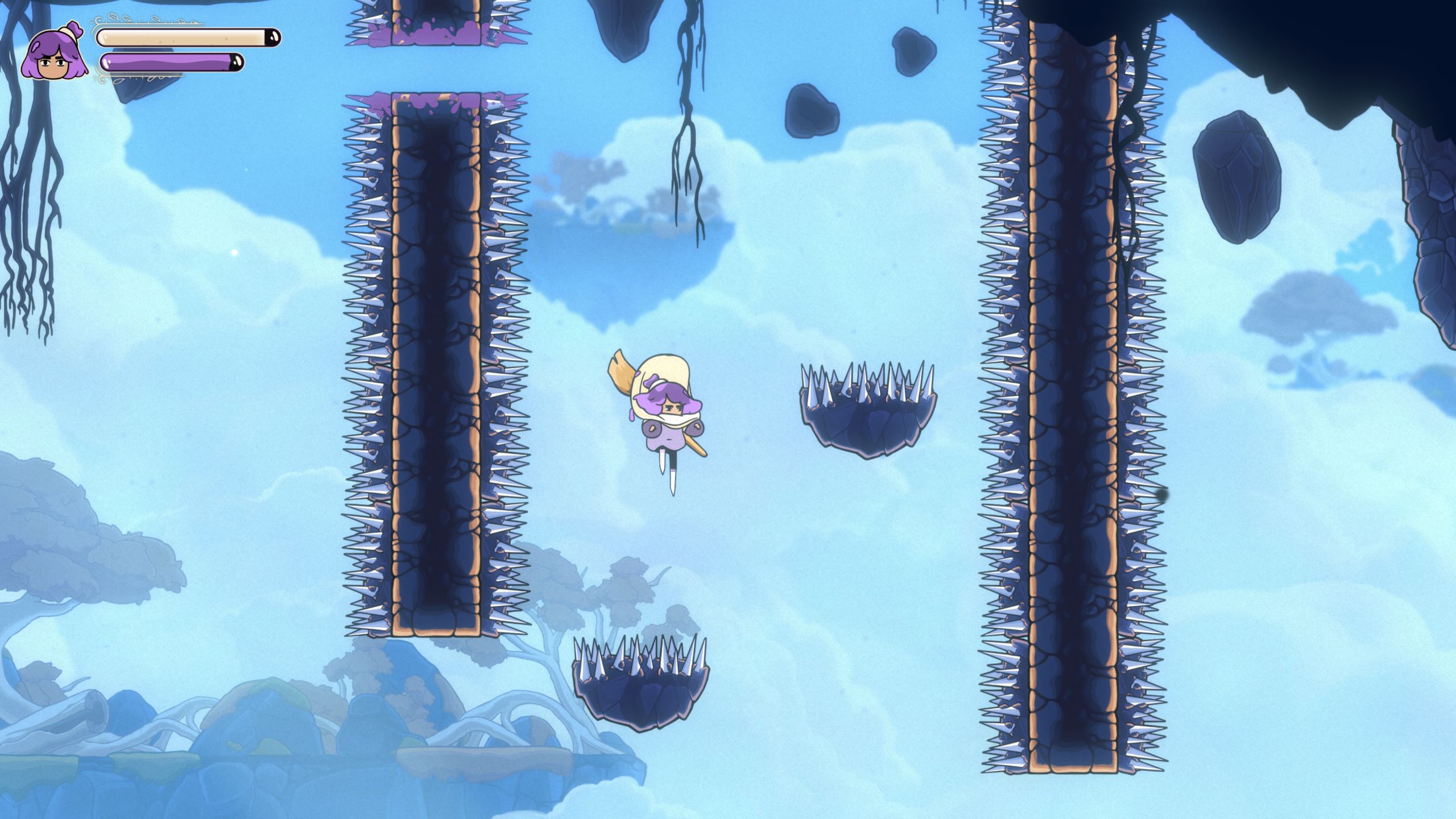
With all of these gameplay elements often overlapping, some players are bound to get tripped up while playing Constance. And certain platforming ideas might’ve been better when used sporadically, such as the occasionally janky hook points, while others—I’m looking at you, tight corridors with thorns both above and below—could’ve been scratched altogether. These potentially painful sections hold optional goodies, though, something to be grateful for. Well, usually they do.
The most severe sections are often secondary tasks, where Connie can get more well-hidden heart pieces, inspirations, and paint flasks. While I was rewarded for my determination and gaming acumen, I fear the players who’d most benefit from these may rarely see them. It’s somewhat ironic that a game based on mental health could cause anxiety with these jarring difficulty spikes. And, not all secondary challenges are created equal. Some deliver such disappointing rewards, demanding a ton from the player but failing to give back comparably. When a fixation on challenge comes at the expense of a proper reward for said challenge, I must call it out—blame the temporary loss of focus on over-enthusiasm.
Of course, Constance does have gameplay features to make the experience more accessible, and that’s a good thing. The first third of the game or so, I wasn’t even aware these were an option, as everything felt pretty well-balanced and manageable. Eventually, I did end up toggling to reduce damage by half, mostly so I could get my review within a month of release (in my defense, the game told me to “remember to take breaks.” I’m not sure how much toggling will help with the aforementioned spikes, though, which are more designed around lack of checkpoints than physical harm. But I don’t want to spoil anything. I ended up beating the game (with 95% completion) in about 20 hours; skilled speedrunners could see the credits roll with a considerably smaller completion percentage in probably half that time.
One of my initial observations in the opening paragraph was that Constance had eccentricities. Beyond what I mentioned, I would say it has a slightly muddled feeling. Elongated, rapid-fire stretches with no checkpoints make Constance feel less like an action-adventure and almost more like a runner game. Early influxes of bosses make Constance feel less like an action-adventure and almost more like a boss rush game. And the parts where our protagonist flashes back to answering work-related emails at a computer or texts on her phone make Constance feel less like an action-adventure and almost more like a visual novel. Are any of these dealbreakers? Far from it. Just be mindful that expectations (and pacing) won’t always match up with the multitude of ideas this game throws your way.
The enthusiasm and talent of the Blue Backpack team shine through from beginning to end in Constance. Eccentricities and all, this fluid action-adventure comes highly recommended. I had a blast beating the game and pushing as close to 100% completion as possible; there is simply so much to discover here. I’m excited to see what’s next (DLC) from the studio—their prior work, Trüberbrook, is also worth a look. A different type of game entirely, but one with quirky charm too.
Review: Constance (Nintendo Switch)
Great
The enthusiasm and talent of the Blue Backpack team shine through from beginning to end in Constance. Eccentricities and all, this fluid action-adventure comes highly recommended. I had a blast beating the game and pushing as close to 100% completion as possible; there is simply so much to discover here. I’m excited to see what’s next (DLC) from the studio—their prior work, Trüberbrook, is also worth a look. A different type of game entirely, but one with quirky charm too.
The Author